Organization
NABU InternationalNatural Project
PolandStarted
01/2025Status
In progress
Protecting a Flagship Species of One of Europe’s Last Wild Rivers
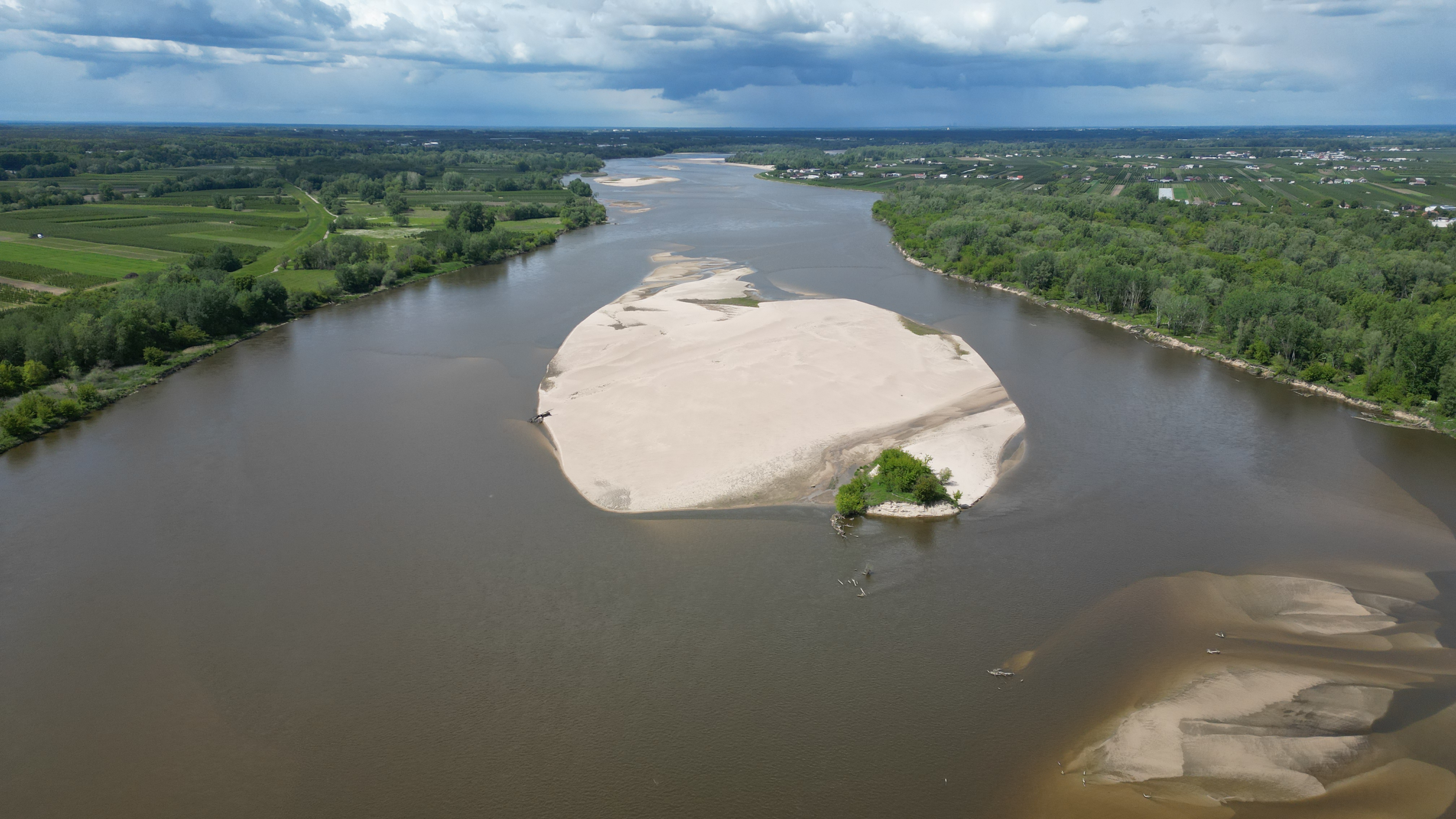
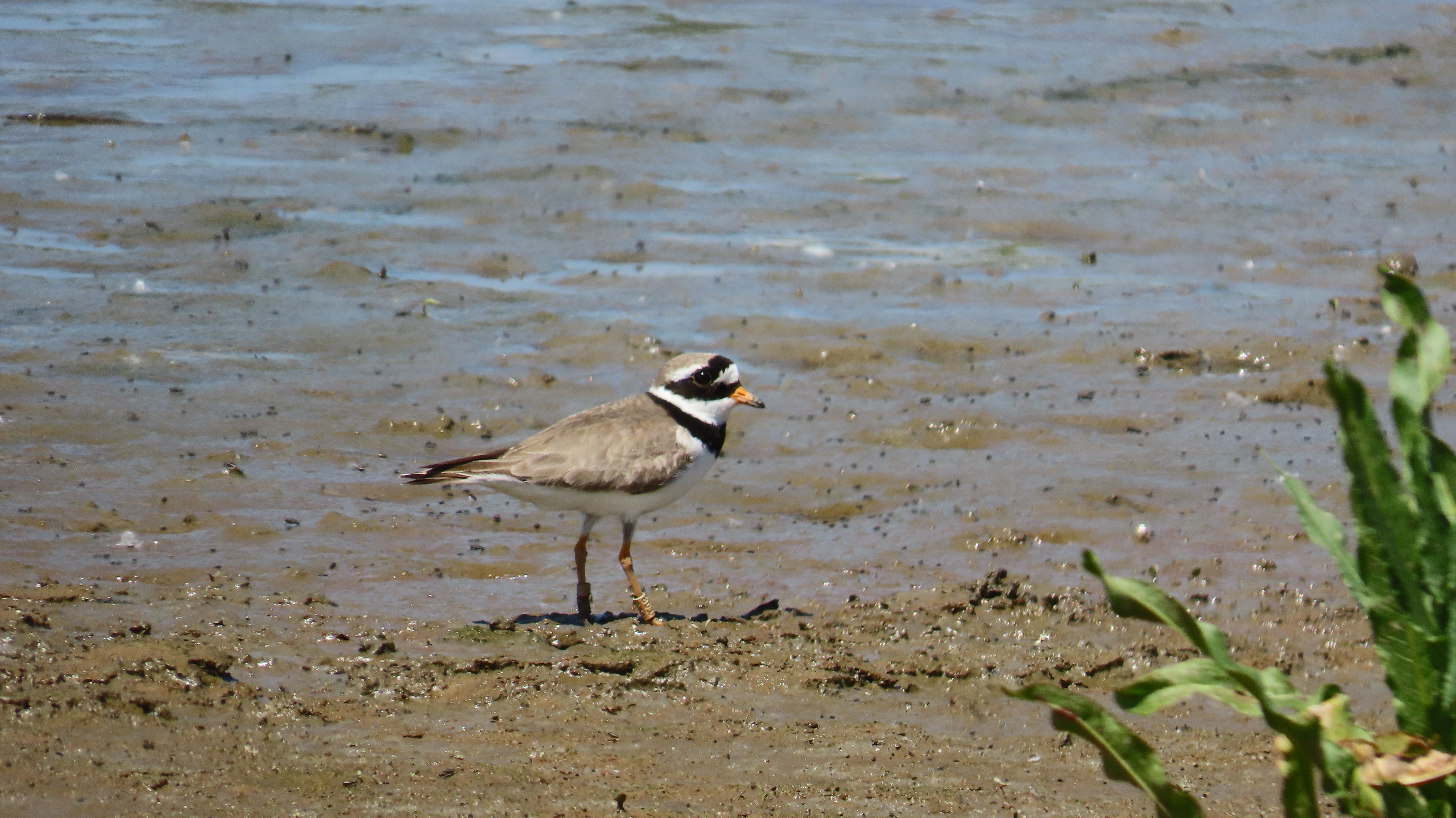
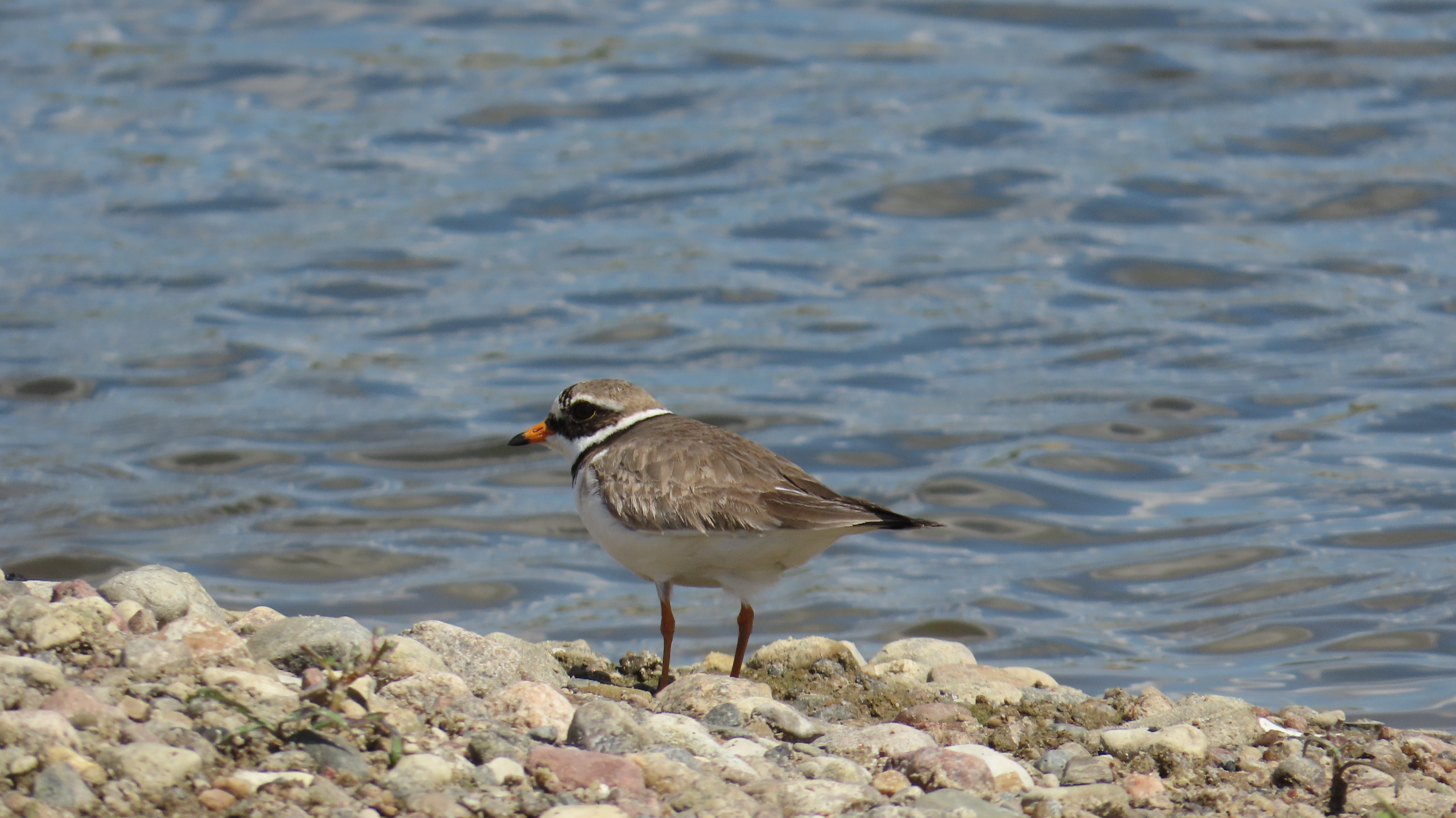
The Vistula River is one of the last large, largely unregulated rivers in Europe. Its dynamic sandbanks provide essential breeding habitat for several endangered bird species. Although the river is designated as a Natura 2000 site, no part of its 1,000‑kilometre length has yet been granted National Park status. Against this backdrop, the project aims to strengthen the Common Ringed Plover as a flagship species for the protection of the Vistula River, combining direct nest protection with policy engagement and community mobilisation.
Measurable Conservation Success in 2025
In 2025, eight priority breeding areas were secured along an 85‑kilometre stretch of the river. A total of 46 nests were located, of which 36 were protected with predator‑exclusion cages. Twenty of these nests were successful, resulting in a breeding success rate of 36% and a Daily Survival Rate of 0.97. By contrast, an unprotected comparable species recorded only 0.4% breeding success, illustrating the clear effectiveness of the interventions. Additional conservation measures included the installation of more than 80 information boards on 16 breeding islands, a reduction in disturbance caused by tourism and recreation, and continuous monitoring of water levels and habitat conditions. Together, these protective efforts significantly increased nesting success and contributed to safeguarding approximately 5% of the national breeding population.
Building a Strong Alliance for the Vistula
To build long‑term support for river conservation, the project recruited eight “Vistula River Ambassadors” representing local government, environmental authorities, NGOs, the financial sector and cultural institutions. These ambassadors participated in a series of field workshops and study visits along the Vistula, received training on river hydrology and the impacts of dams, and joined a study trip to Vjosa National Park in cooperation with the Protection and Preservation of Natural Environment in Albania. Evaluation results showed exceptionally high engagement: all participants rated the study visits as excellent, 70% reported maximum motivation to actively protect the river, and three new members joined OTOP as a result. Levels of knowledge, motivation and long‑term commitment among key stakeholders increased significantly over the course of the project.
Policy Engagement and Public Awareness
The project also played an active role in policy processes affecting the river’s future. It engaged in proceedings concerning a planned weir near the EC Siekierki power plant, contributed to legal actions related to sand extraction concessions, and submitted seven proposals for new protected areas. Public outreach efforts achieved strong results, including more than 16,000 social media views and an 11,000% increase in online reach. In addition, the team developed 15 educational lesson plans and five dedicated children’s materials. Communication activities consistently highlighted the ecological and cultural importance of a free‑flowing river, helping to build the societal foundation necessary for stronger long‑term protection measures.
Overall Impact
The project successfully combines tangible species protection with broader strategic movement‑building. In 2025, it delivered a measurable increase in breeding success for a nationally significant population, strengthened local alliances for river conservation, enhanced participation in policy decisions shaping the river’s future, and expanded public awareness of the Vistula as a unique part of Europe’s natural heritage. Experience from Albania shows that establishing a National Park is a long‑term endeavour that depends on broad civil‑society engagement, and this project lays important groundwork toward such efforts. As a result, the Common Ringed Plover is now firmly established as a flagship species for safeguarding a free‑flowing Vistula River.