
Since the beginning of the war in Ukraine, the VGP Foundation has continuously supported local conservation partners in strengthening environmental education, protecting biodiversity, and providing children and young people with opportunities to reconnect with nature despite the ongoing crisis.
This project builds on that long-term commitment and continues a successful series of conservation education initiatives in the Ukrainian Carpathians. It focuses on one of the region’s most pressing conservation challenges: fostering coexistence between people and large carnivores.
Bringing nature education to children across Transcarpathia
Between May and October 2026, the project team organised 16 eco-educational activities, reaching 320 children and young people. Through interactive lessons, workshops and eco-quests, participants learned about the ecological importance of the brown bear, greywolf, Eurasian lynx and European wildcat, and explored how people and large carnivores can live side by side. The activities took place in a wide range of settings, including schools in Uzhhorod and the mountain village of Yasinia, Uzhhorod Castle, Uzhanskyi National Nature Park, a parish in Velykyi Bereznyi and a spiritual and pastoral centre in Antalovtsi. Special attention was given to inclusion: children from the local Roma and Hungarian communities, as well as children living in a family-type children’s home in Zhornava, were given the chance to take part in engaging nature education they would otherwise rarely have access to.
Young researchers take the stage
On 22 May 2026, IERS and the Transcarpathian Regional Centre for Children and Youth Creativity (PADIYUN) organised the children’s ecological conference “Secrets of Nature: Discoveries of Young Researchers” in Uzhhorod. Young participants presented their own research on the ecological role and conservation challenges of the brown bear, Eurasian lynx and grey wolf, highlighting how these predators help keep forest ecosystems healthy and balanced. The conference also welcomed a participant from the Donetsk Regional Ecological and Naturalistic Centre, which now partly operates in Uzhhorod after being dispaced by the war.
“Predators of the Carpathians: Guardians of the Wild”
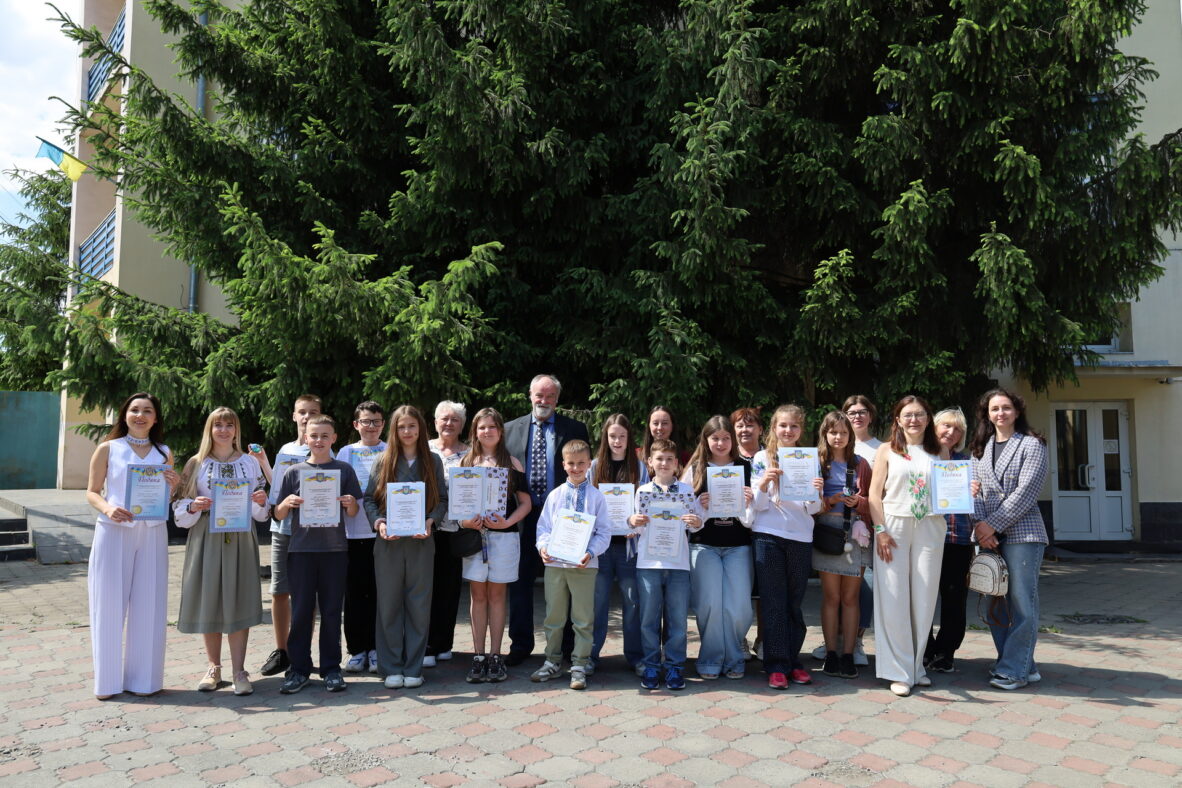
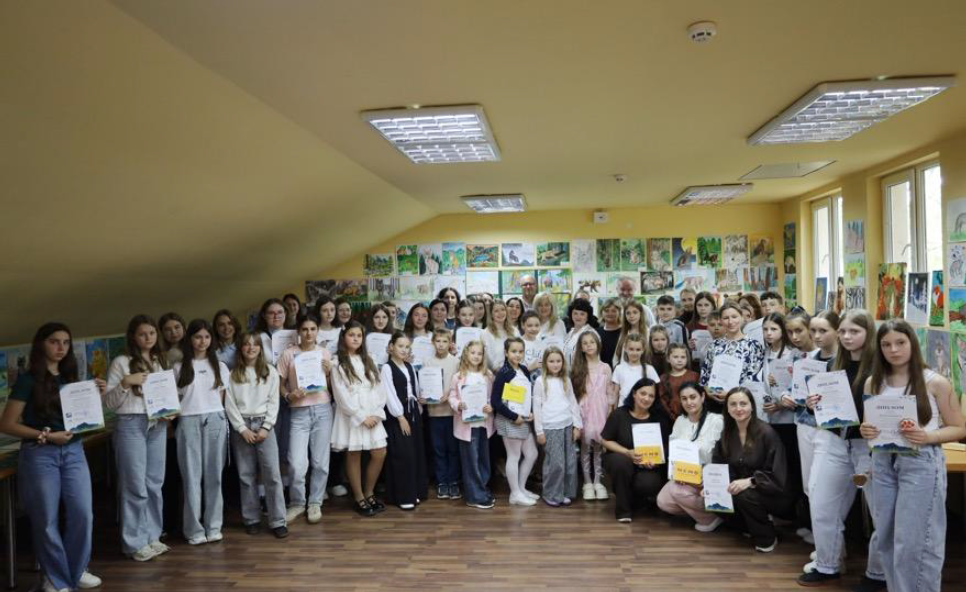
The nationwide children’s creative competition “Predators of the Carpathians: Guardians of the Wild” invited children to explore the world of large carnivores through crafts, drawings and three-dimensional compositions. The response was overwhelming: more than 340 entries were submitted by children from 13 regions of Ukraine, from Transcarpathia and Lviv to Kharkiv, Kherson and Chernihiv. Winners and participants were celebrated at an award ceremony at the PADIYUN Centre in Uzhhorod on 2 June 2026, which brought together children, teachers and parents around an exhibition of selected works.
Children’s art on display in Ukraine and Germany
The children’s work went on to reach a much wider audience. Selected entries by the competition winners were exhibited in Germany. In Uzhhorod, the exhibition “Wild Predators of the Carpathians: Heroes of Nature” opened at the Transcarpathian Regional Museum of Local Lore in Uzhhorod Castle, timed to coincide with Carpathians Day on 26 September. The exhibition presents 26 drawings and 9 three-dimensional compositions created by schoolchildren from the region, offering museum visitors a moving perspective on why Carpathian wildlife deserves our respect and protection.
New educational materials for children and teachers
To make learning about large carnivores both fun and lasting, the project team designed and printed 2,000 sets of educational worksheets titled “Large Carnivores of the Carpathians”. Each set has five illustrated worksheets covering the habitat, behaviour, diet and ecological role of each species, combined with playful exercices such as maths tasks, mazes, crosswords, colouring activities and traditional proverbs. Teachers and educators can use them as practical tools in the classroom. In addition, 2,500 sticker sets featuring the four species, their scientific names, their footprints and the message #SaveWildAnimals are being handed out to children during project activities.
Next steps
A survey of conservation experts, scientists and national park staff is currently underway. Its findings will help shape recommendations for future environmental education on large carnivores. The team is also preparing an information leaflet, “Living Side by Side with Wild Animals”, which will give local residents practical advice on how to behave safely when encountering wild animals and how to prevent human-wildlife conflicts. In the coming months, the project will also present a new eco-educational puppet show about large carnivores, developed with the Transcarpathian Regional Academic Puppet Theatre “Bavka”. Further eco-educational activities will follow, and a promotional video and a series of social media infographics will help raise wider public awareness of Carpathian predators.

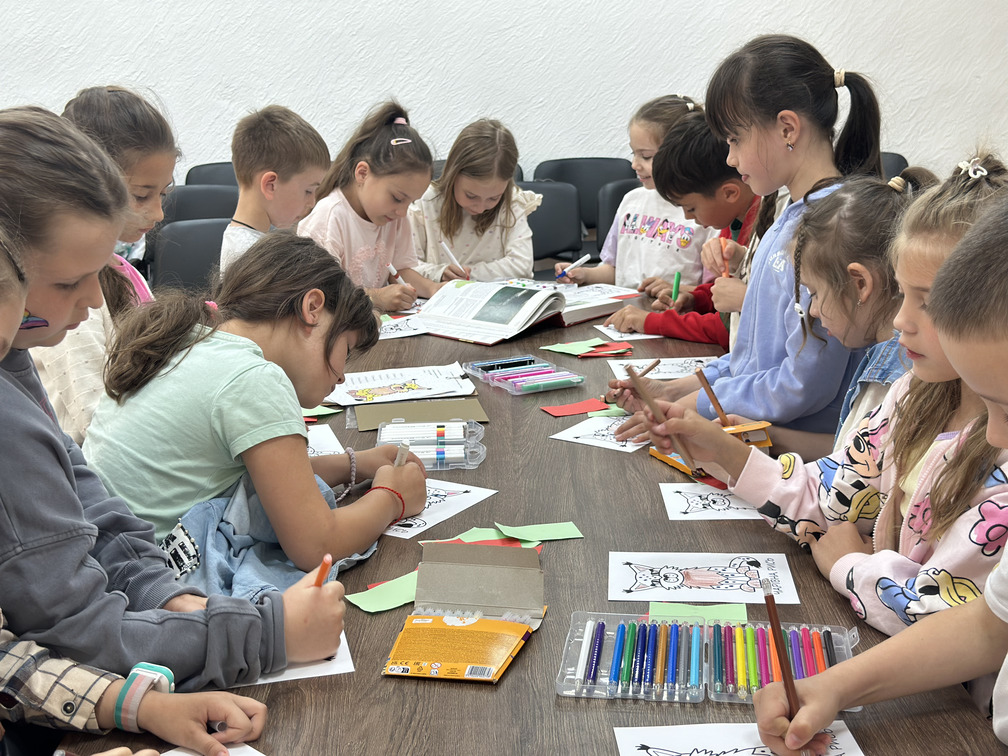
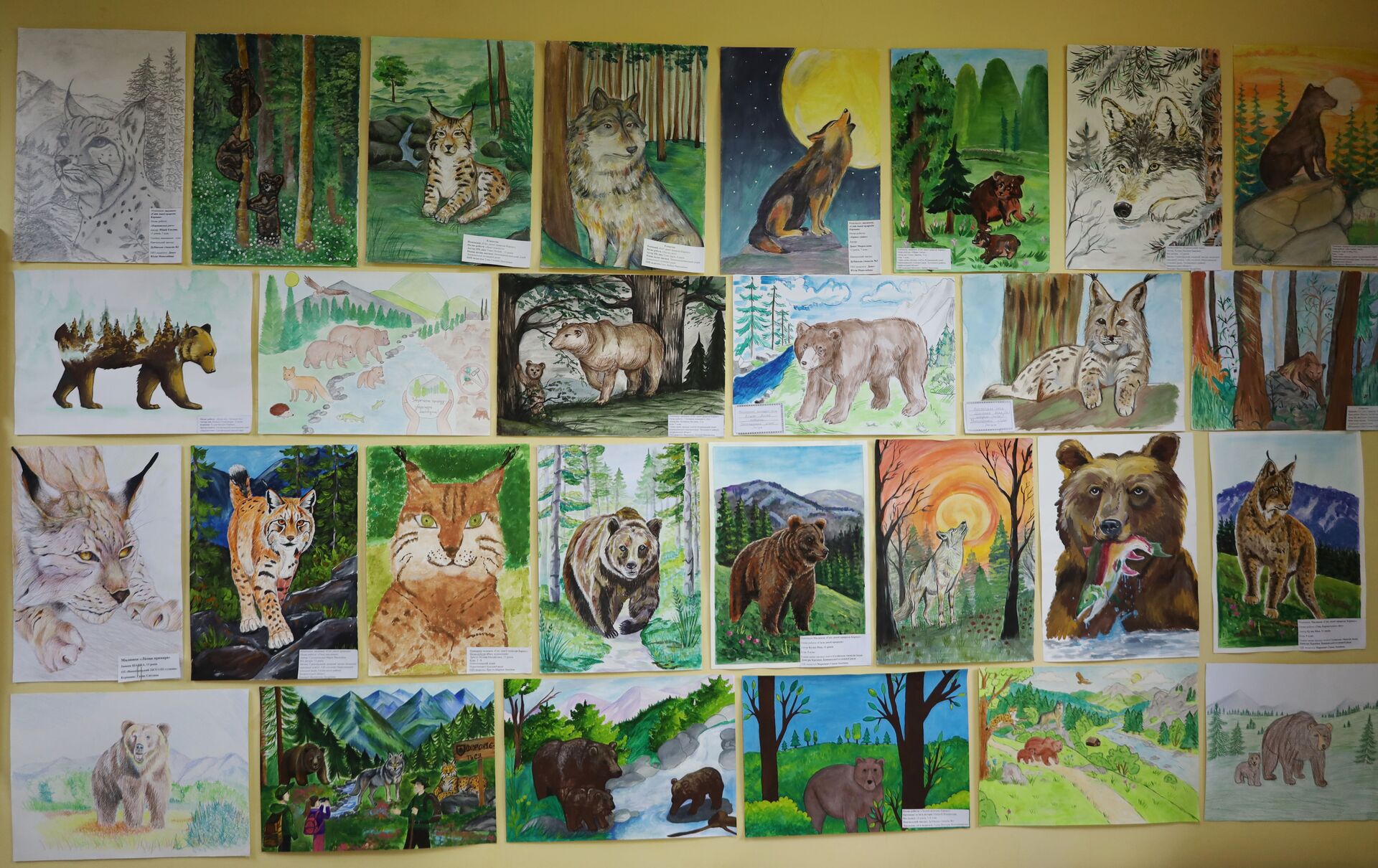
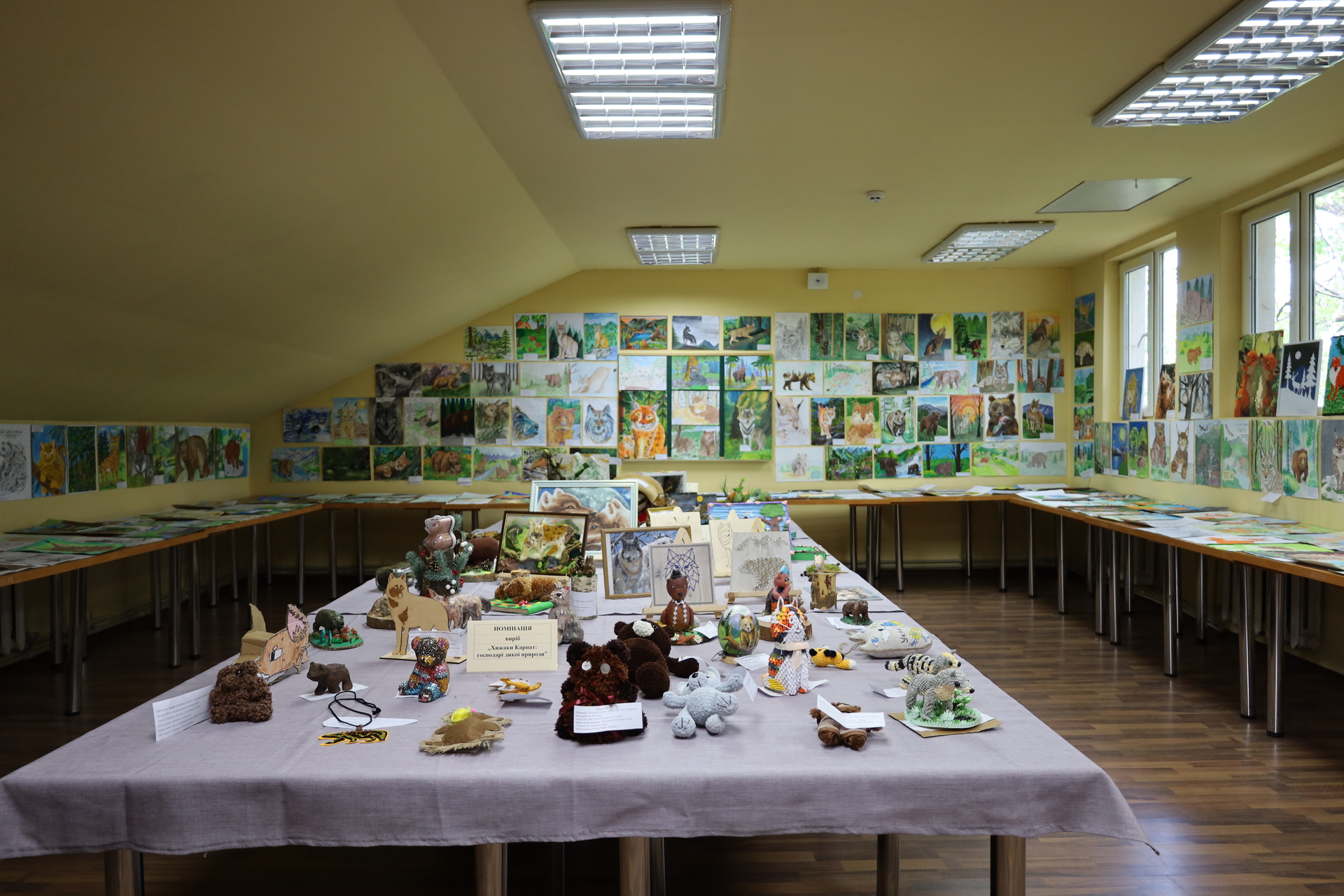
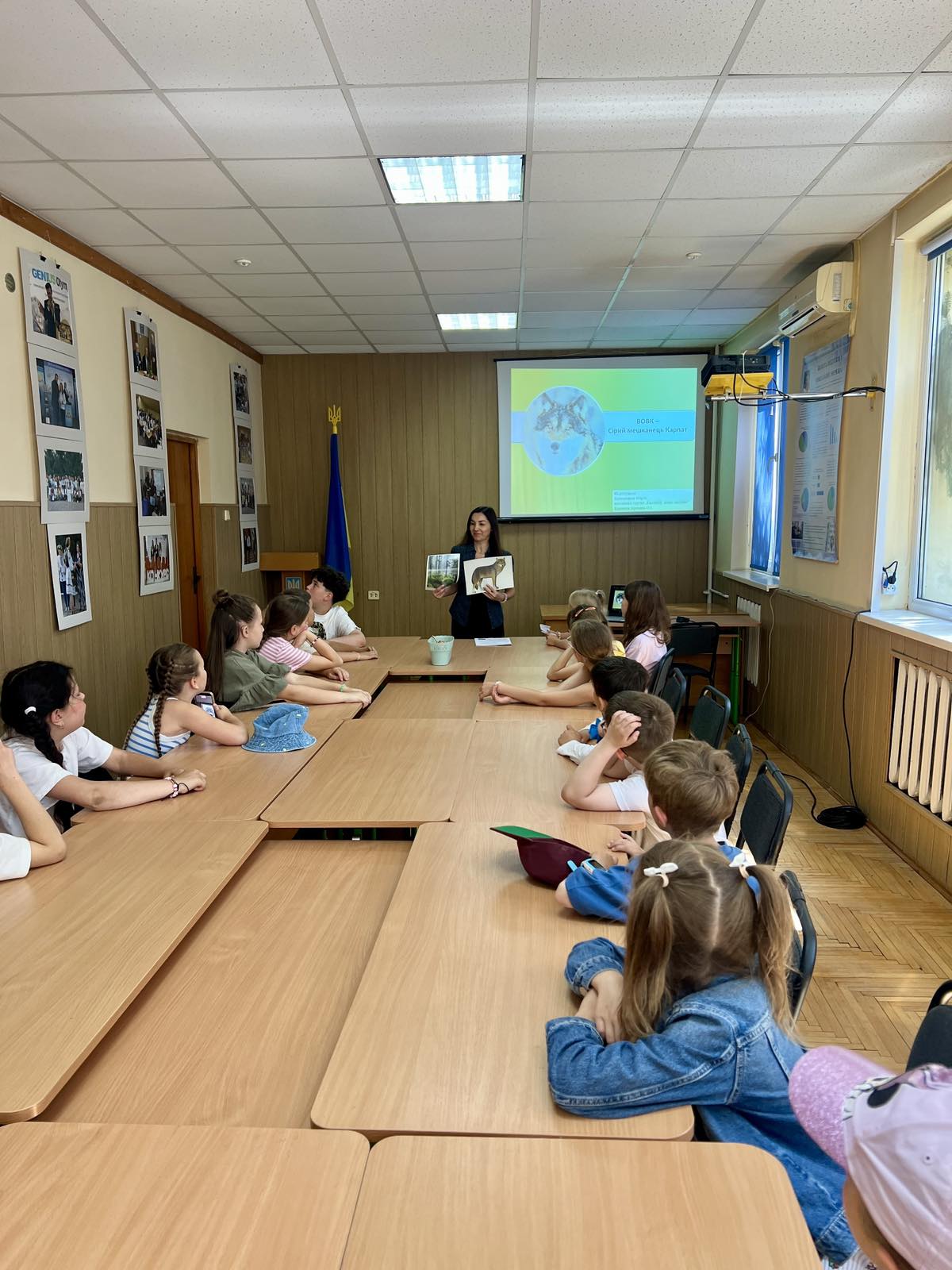
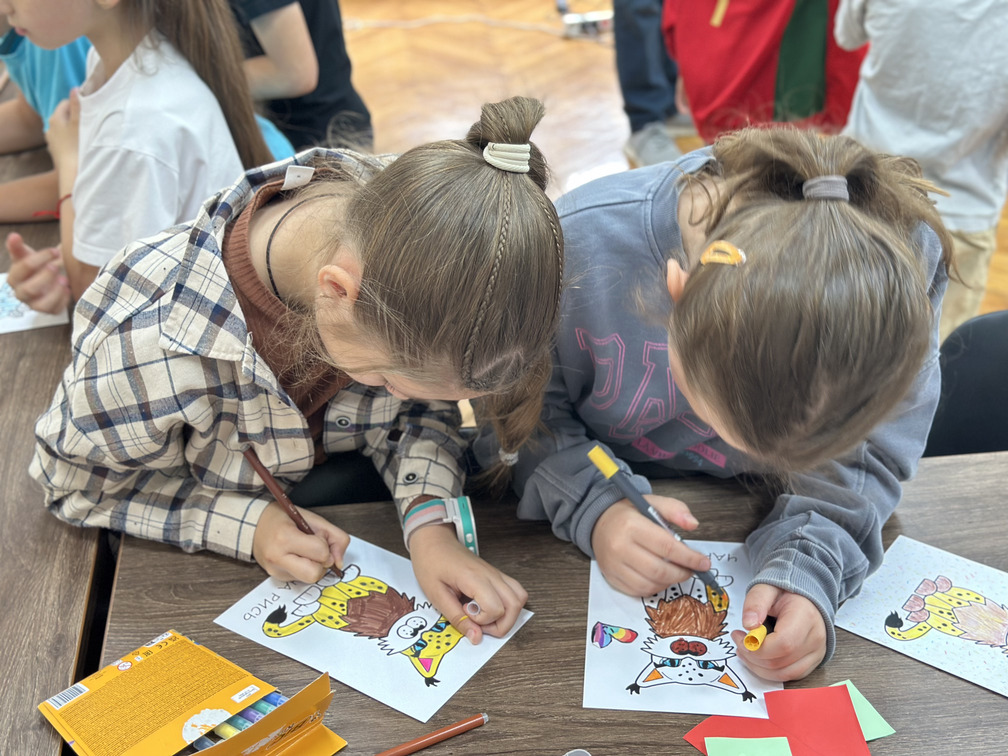
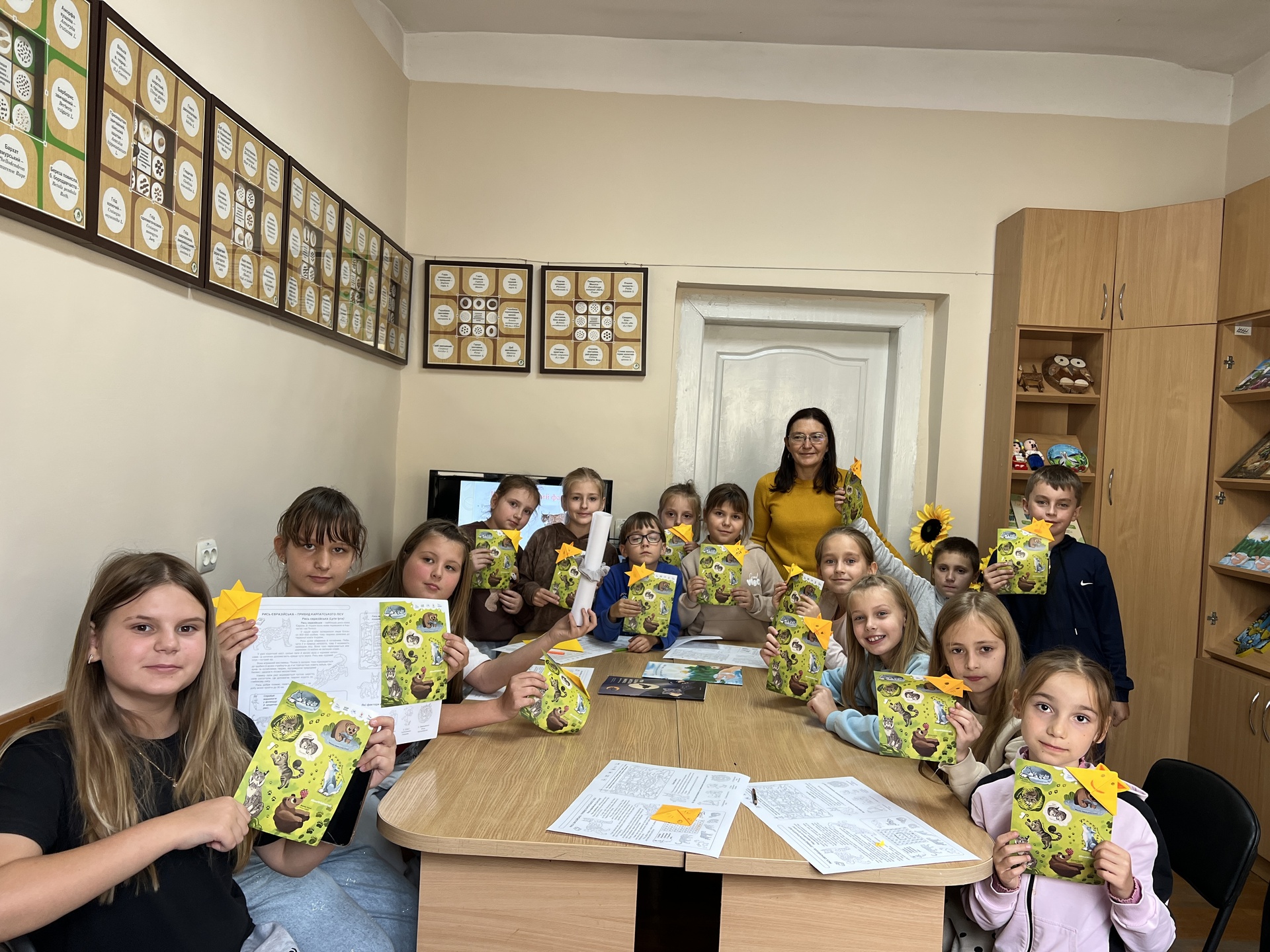

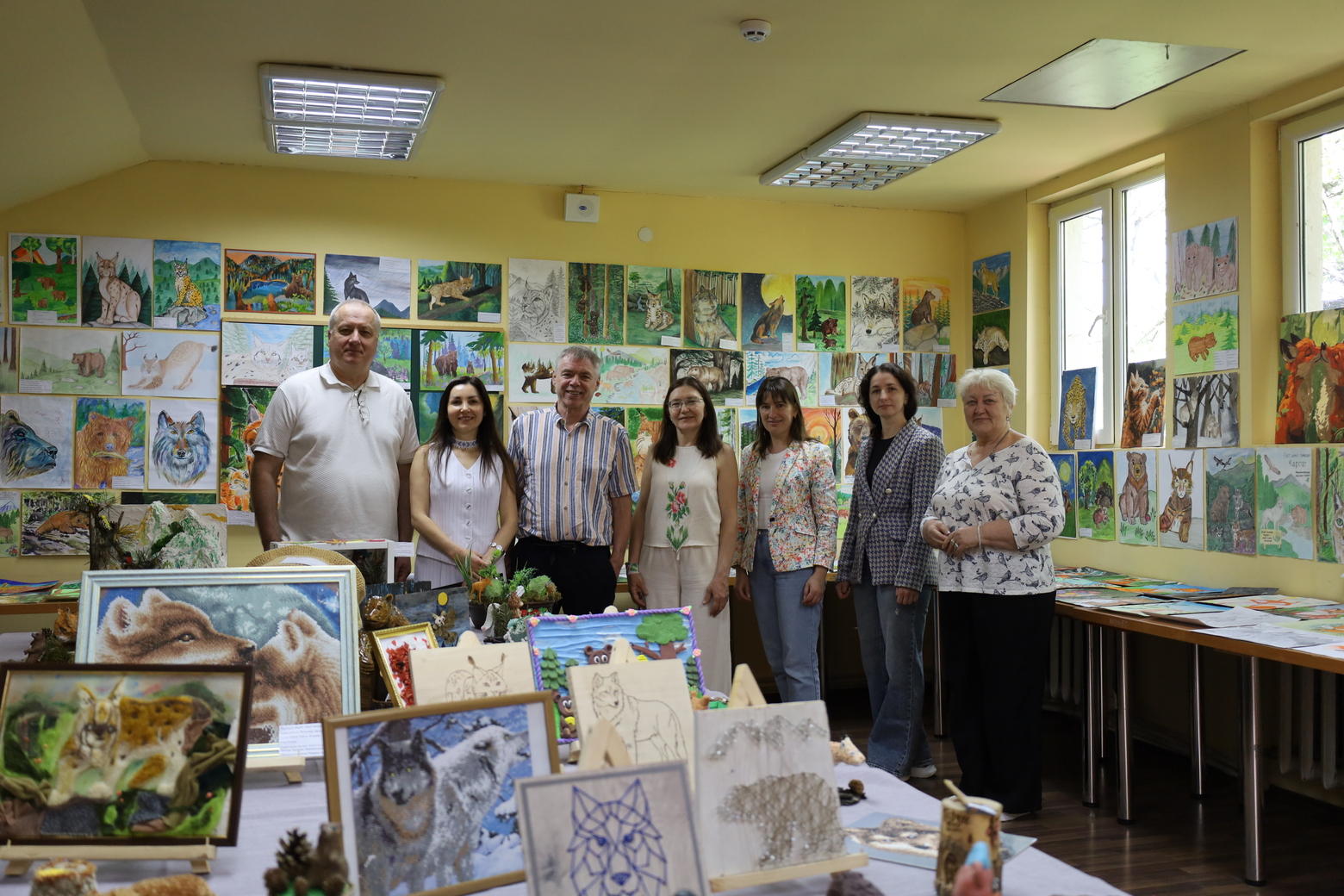
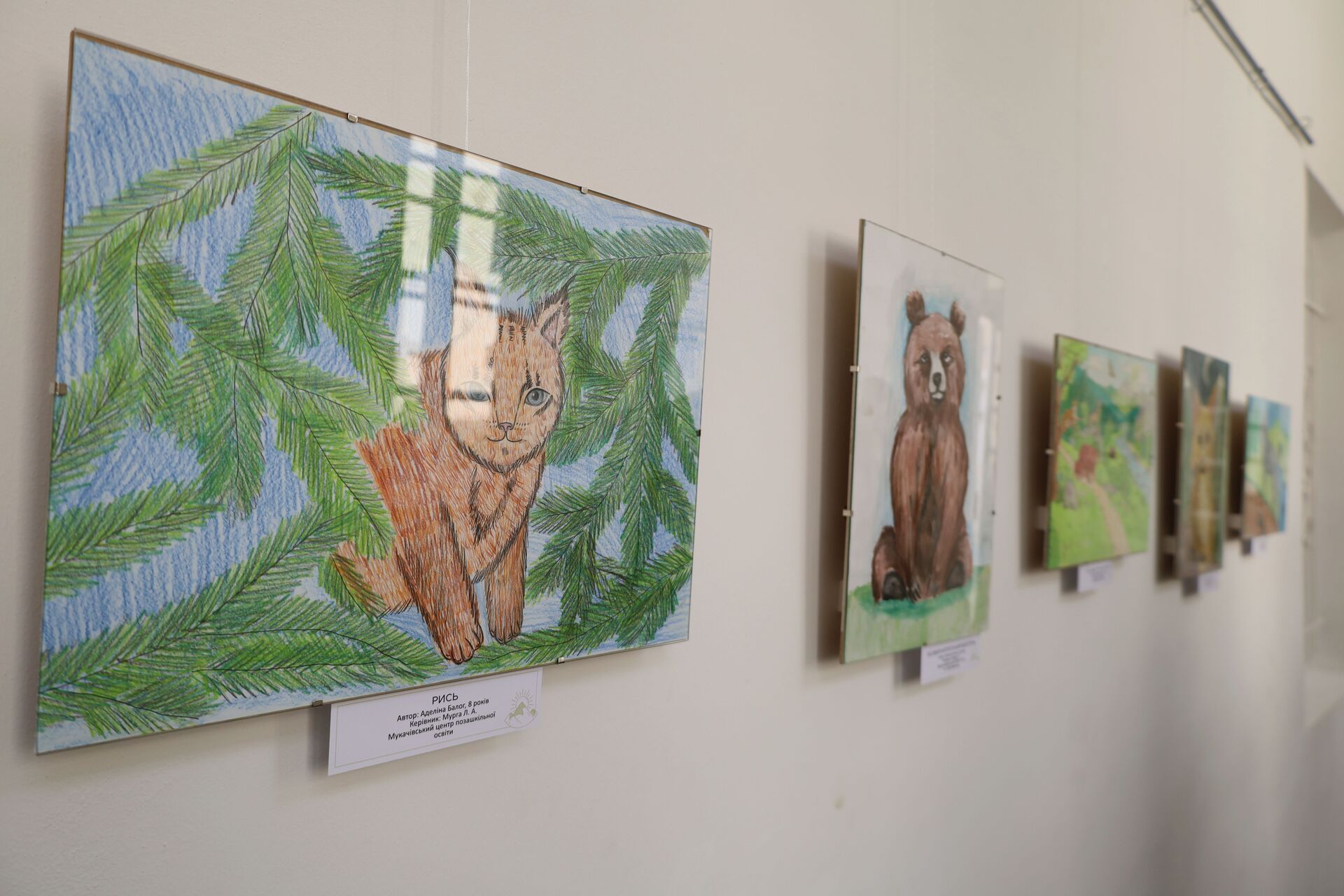
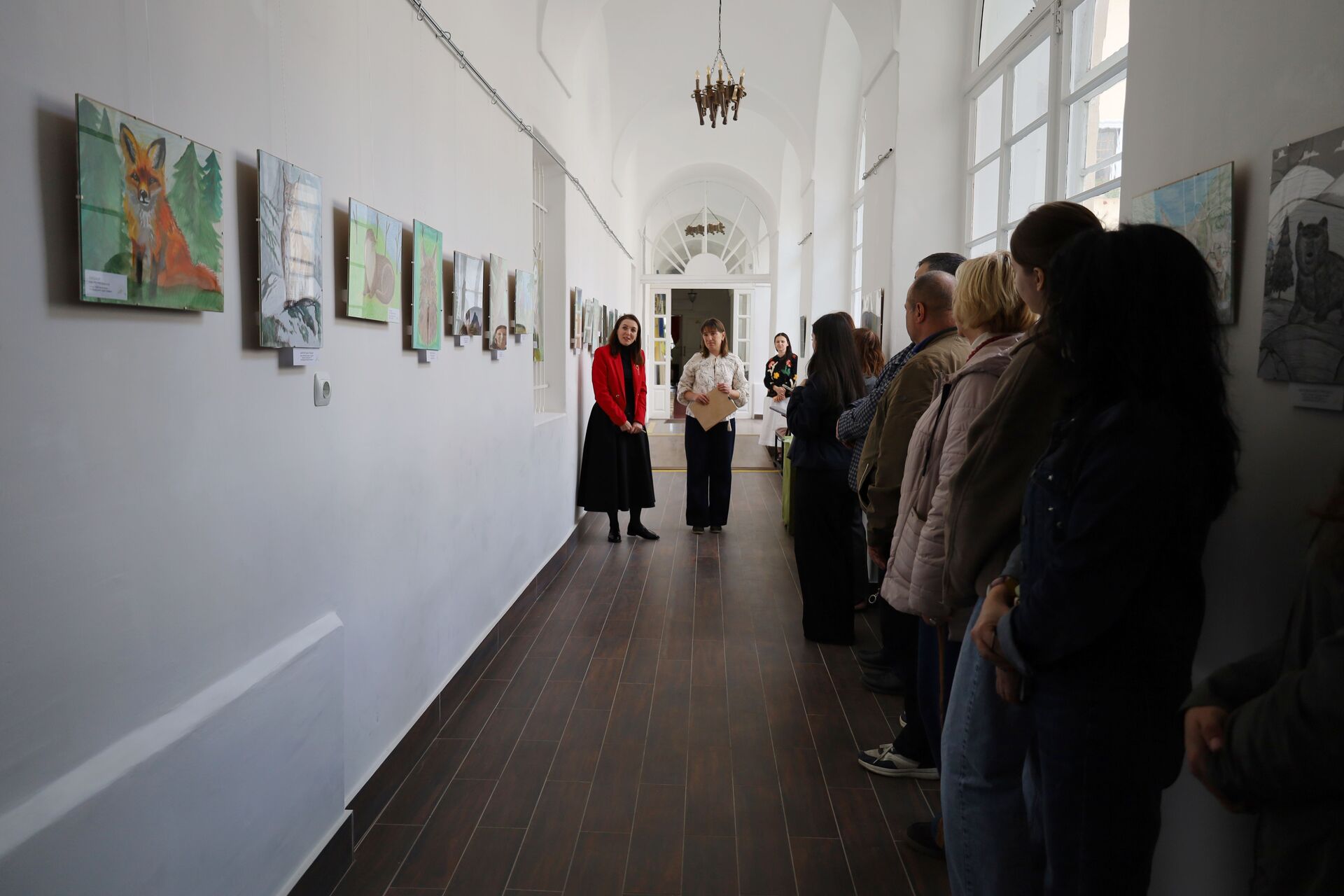
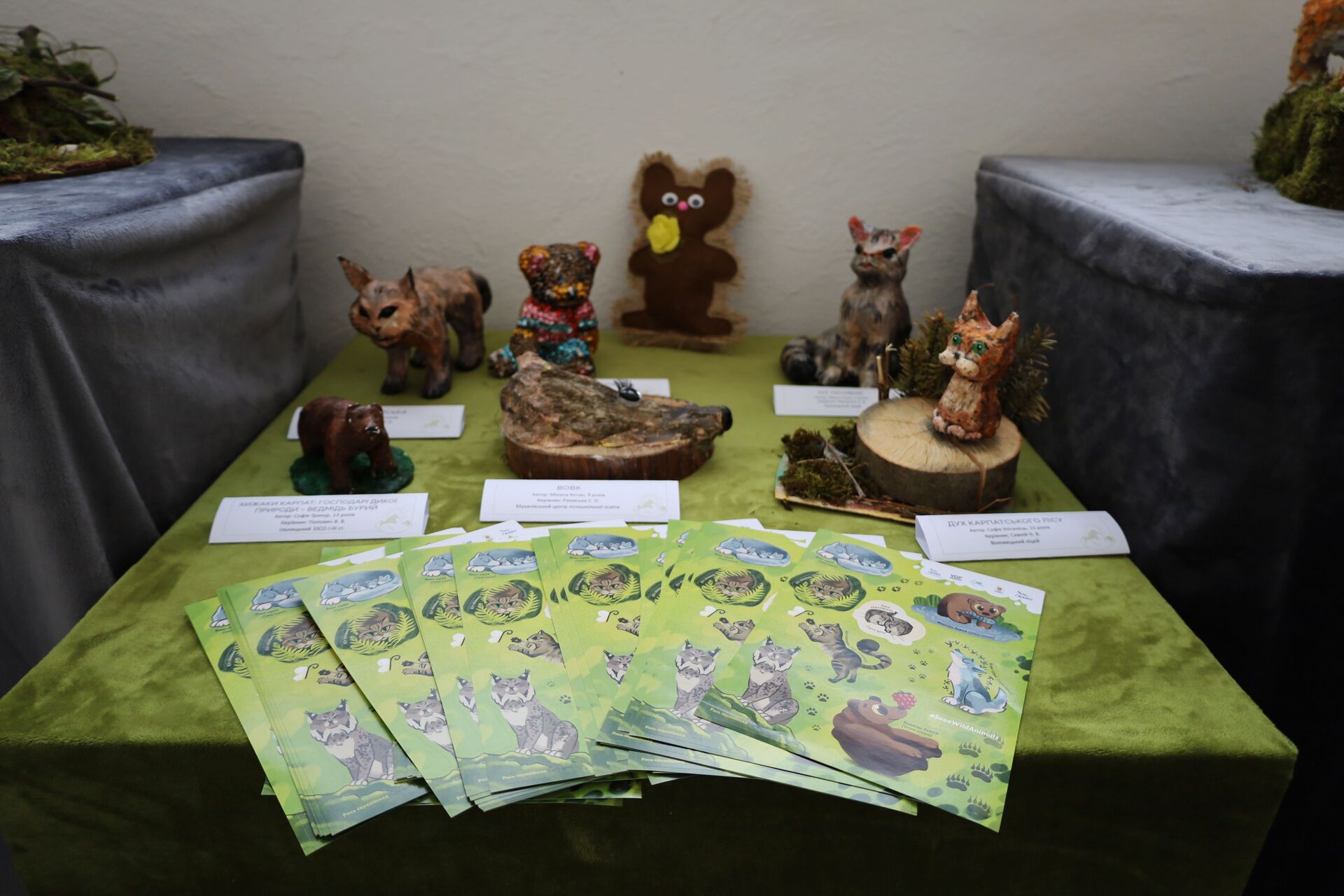
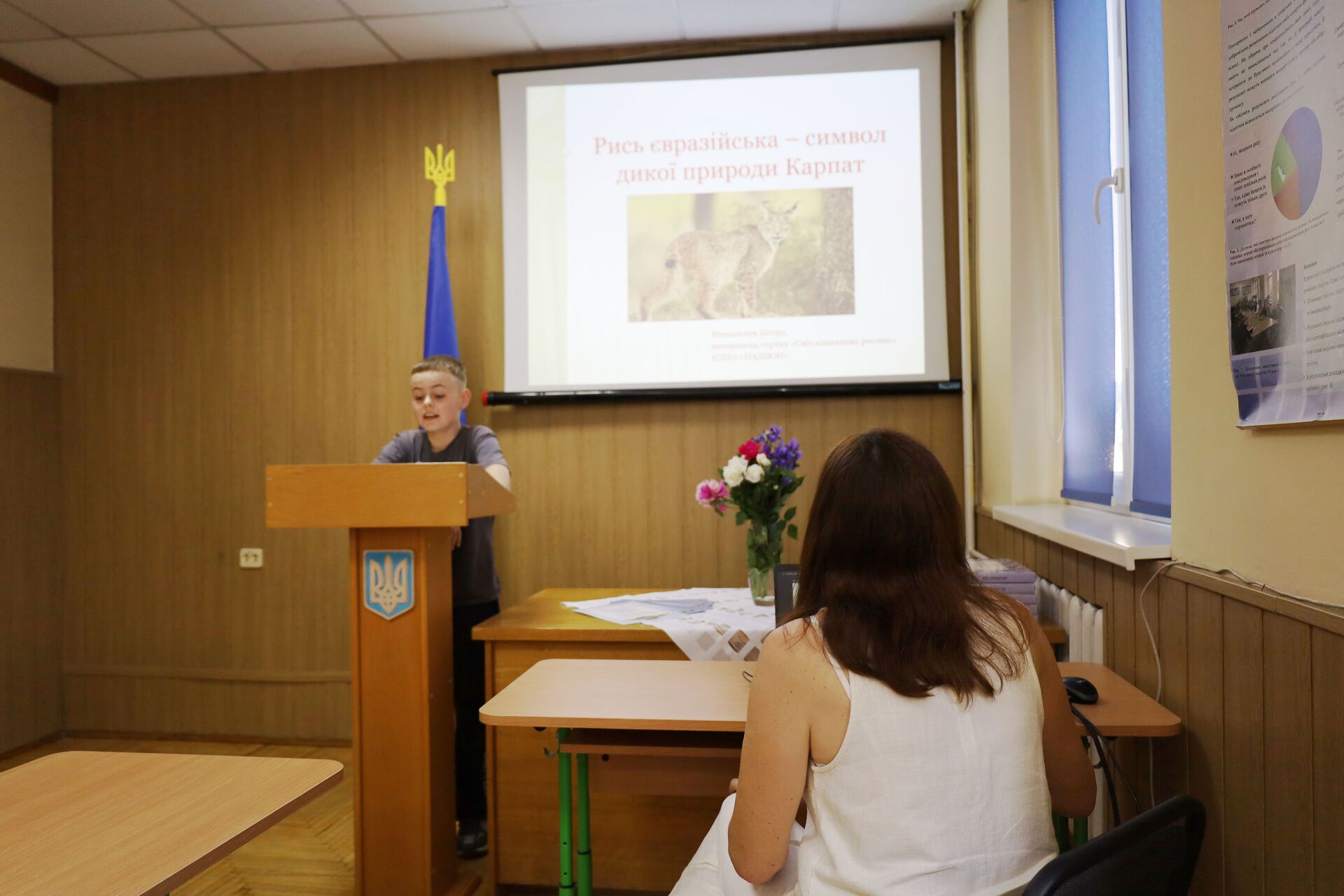
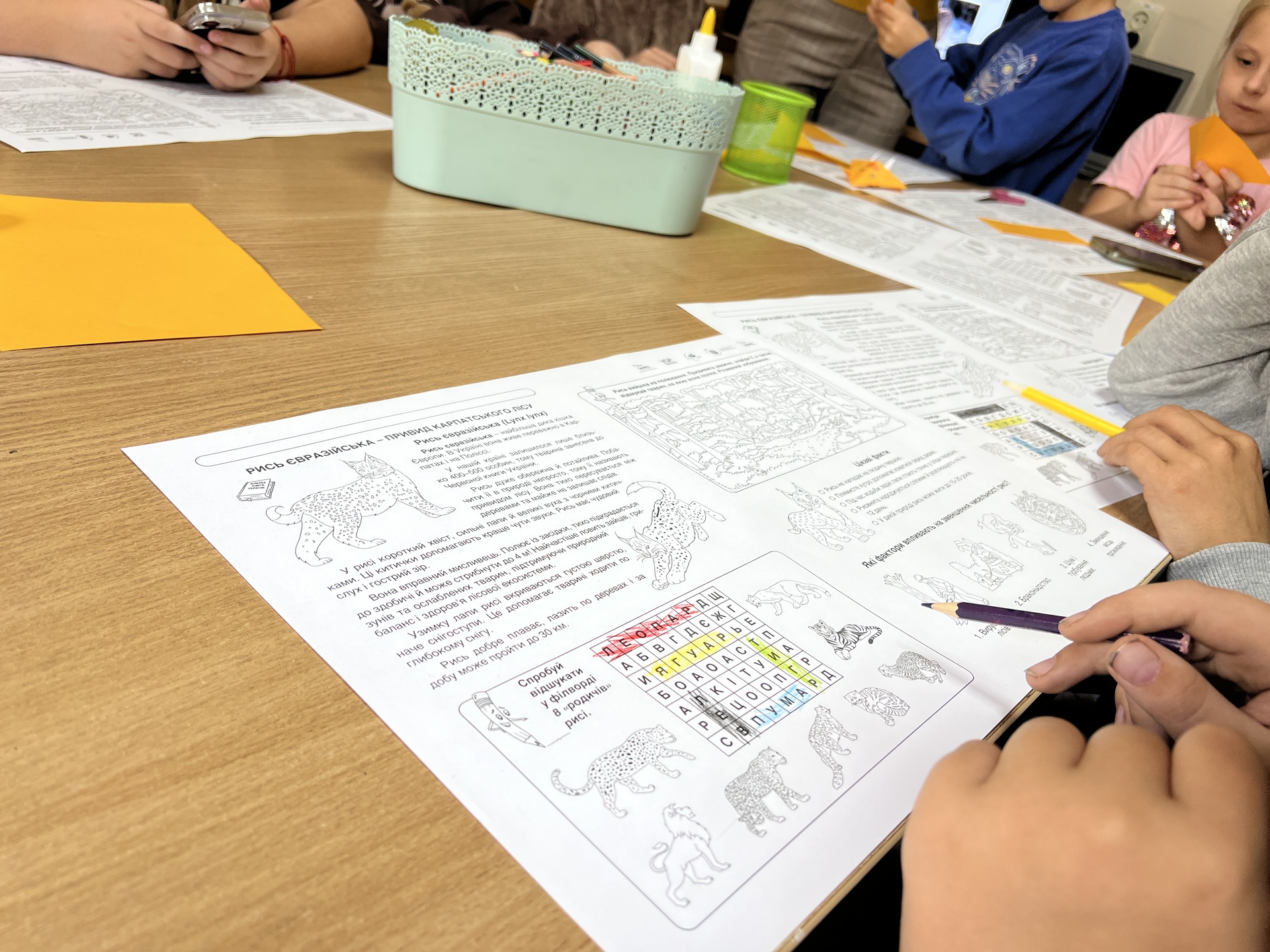
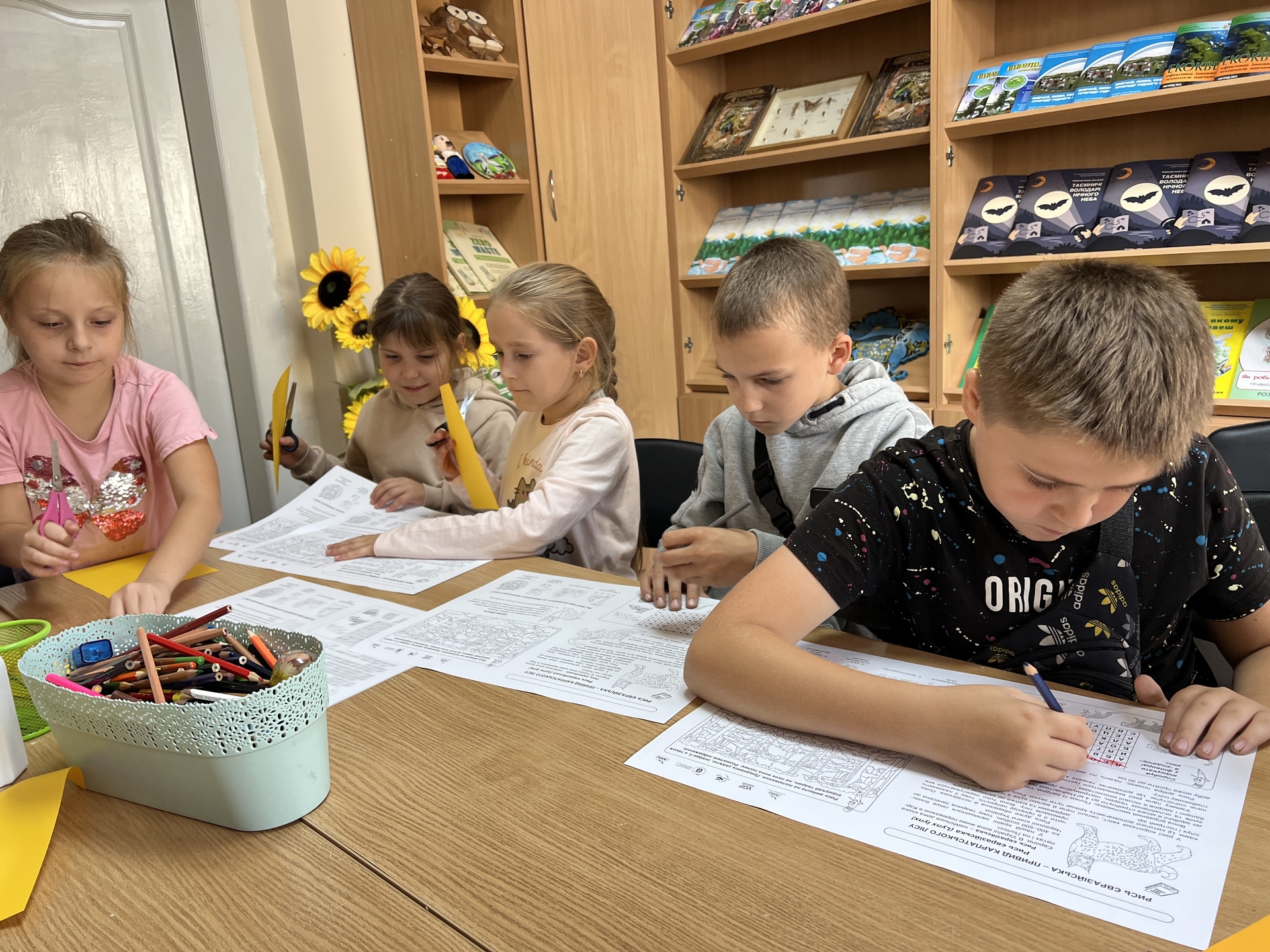

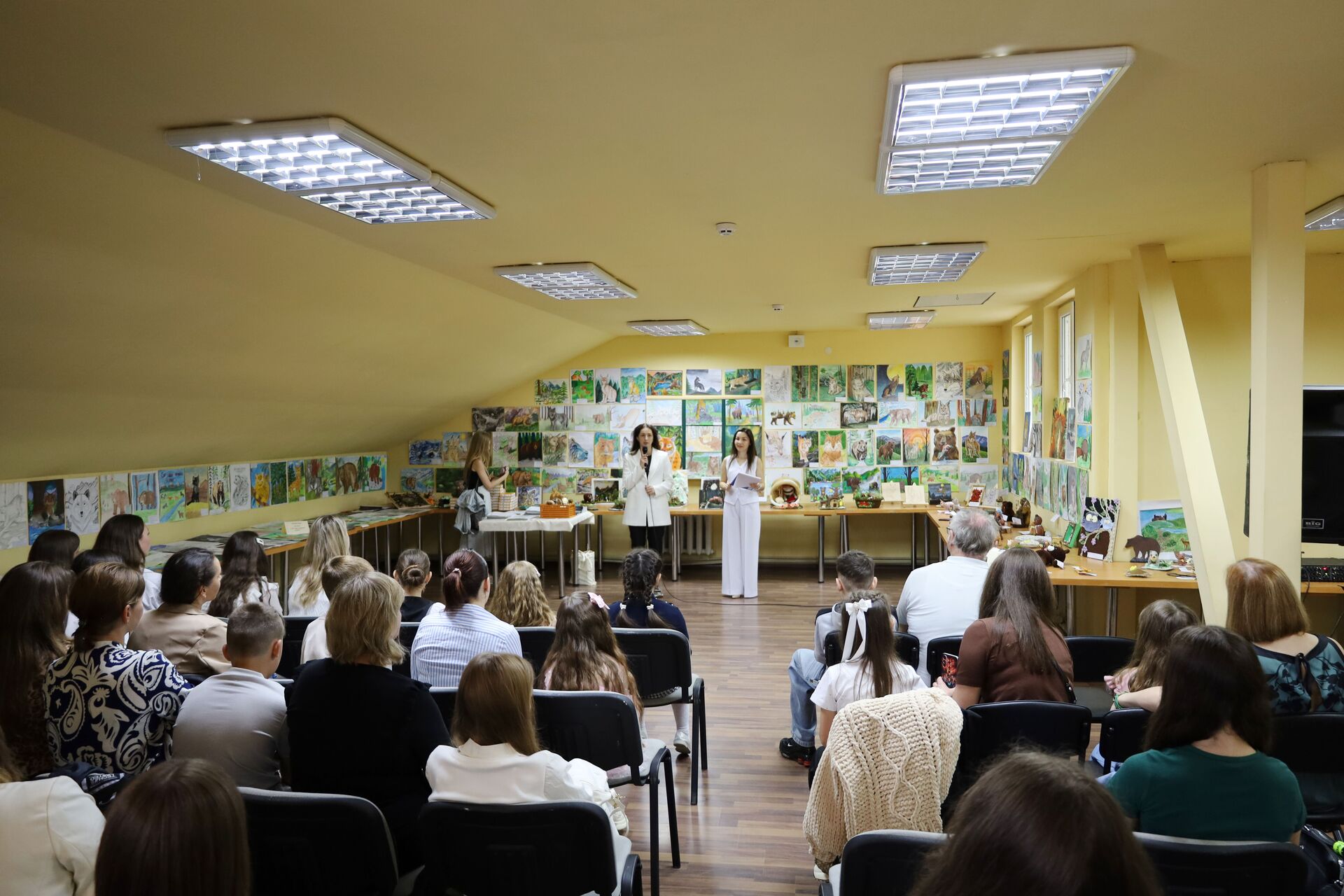
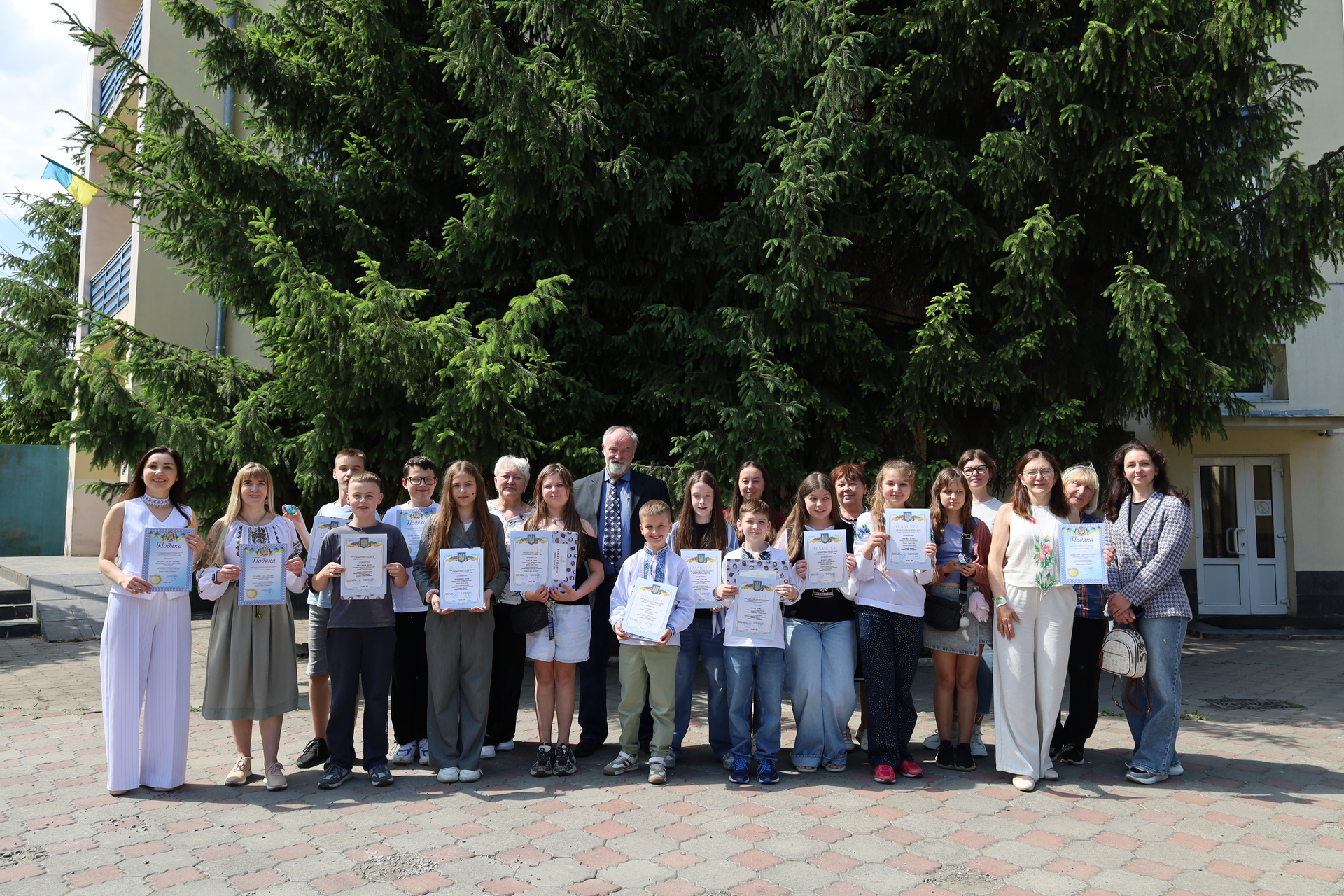
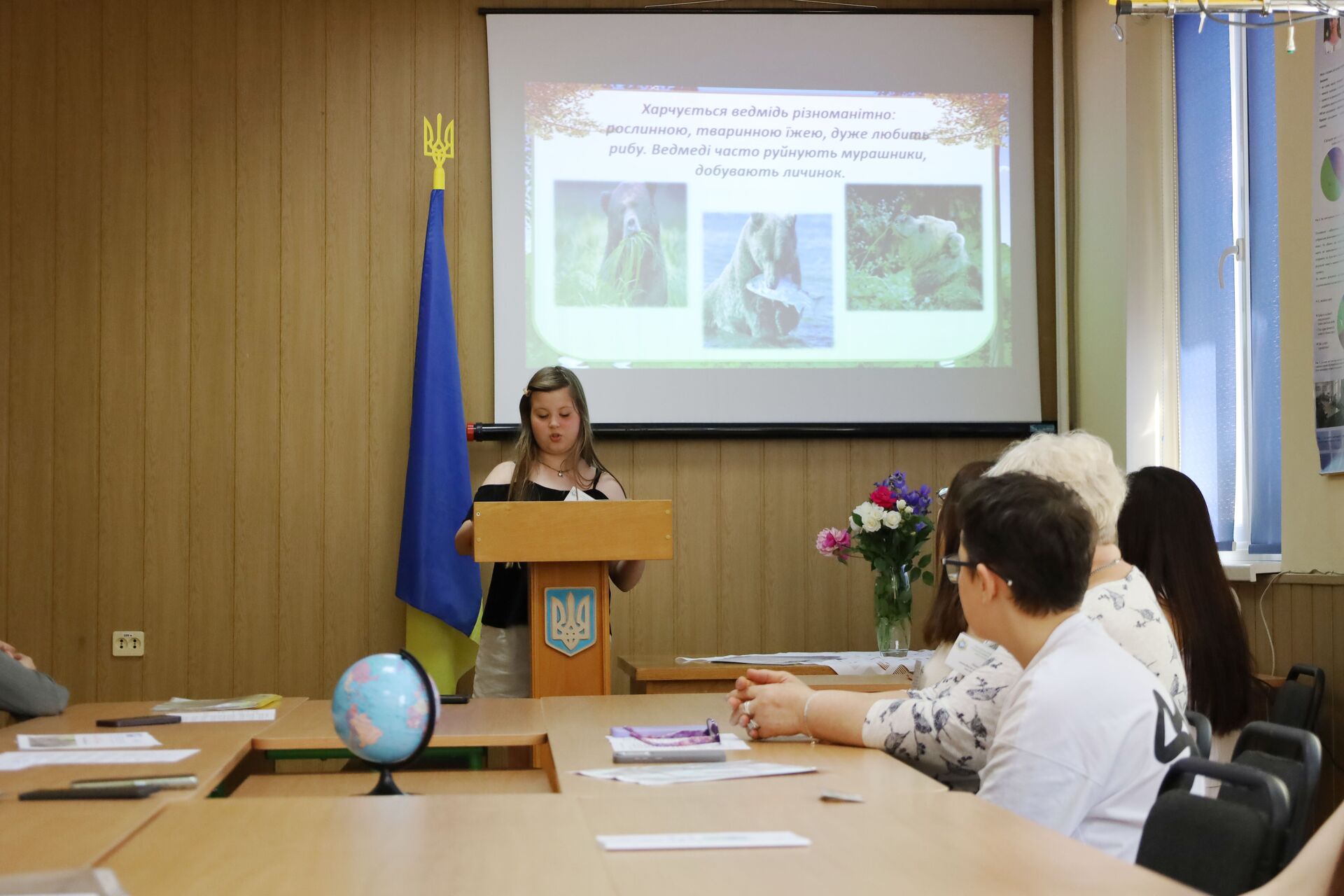
Photo credits © IERS / NABU

