
The mountain landscapes of Uzbekistan and Tajikistan form one of Central Asia’s most important strongholds for snow leopards and many other endangered species.
Protected areas such as Hissar State Reserve, Zaamin National Park, and Babatag Natural Park provide vital habitat and ecological corridors that enable wildlife to move freely across national borders. These connected landscapes are essential for maintaining healthy populations of snow leopards and their prey.
However, the region’s biodiversity faces increasing pressure from poaching, habitat degradation, unsustainable grazing, and declining prey populations. While both countries share these challenges, limited cross-border cooperation has reduced the effectiveness of conservation efforts across this shared ecosystem.
Building Capacity for Wildlife Protection
The project aims to strengthen transboundary conservation by enhancing the skills and capacity of protected area rangers while fostering closer collaboration between Uzbekistan and Tajikistan.
Building on nearly a decade of successful snow leopard conservation work in Tajikistan, the initiative extends these efforts to neighbouring Uzbekistan, creating a shared framework for protecting wildlife populations and critical habitats across borders.
Training the Next Generation of Rangers
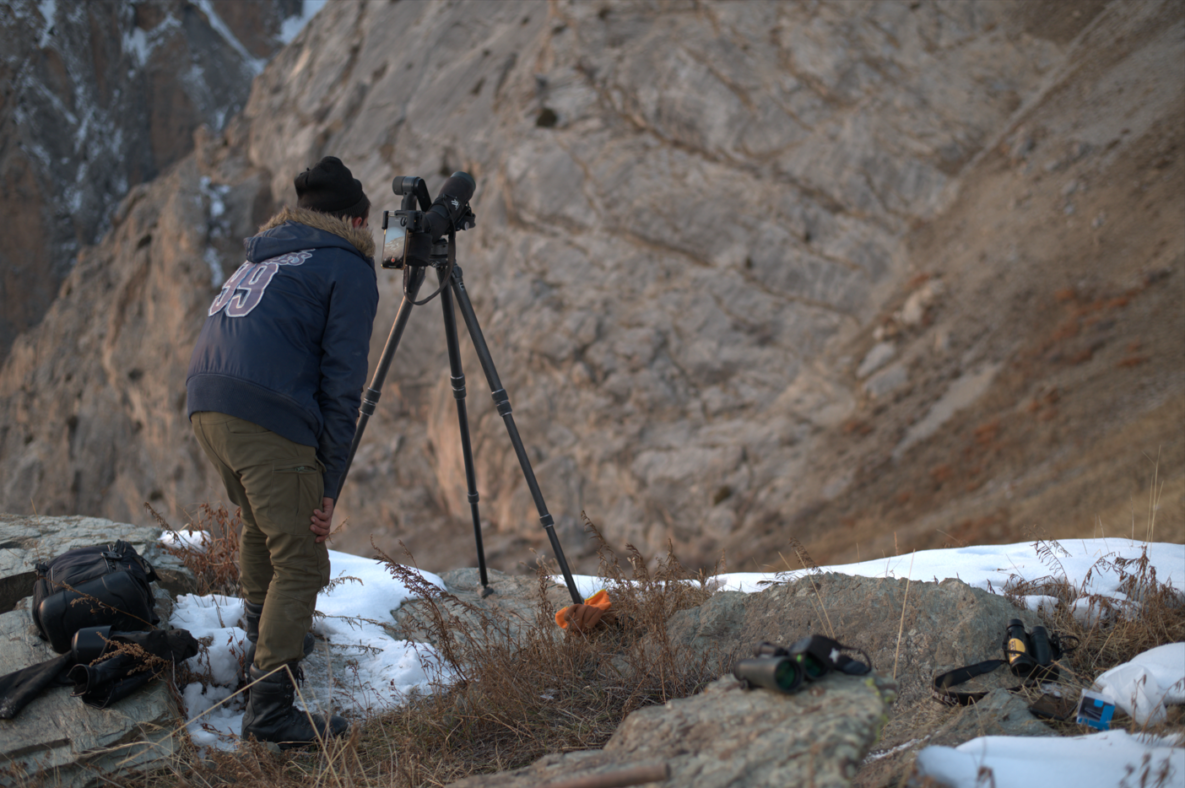
A cornerstone of the project is a comprehensive ranger training programme focused on wildlife monitoring, anti-poaching measures, and effective law enforcement.
Through practical, field-based training, rangers will develop skills in:
- Wildlife identification and monitoring
- Camera trap deployment and data collection
- Track and sign recognition
- Anti-poaching patrol techniques
- Conservation law enforcement
The programme will also establish a standardised training curriculum that can be replicated in additional protected areas. This “train-the-trainer” approach will enable participants to share their knowledge with colleagues, ensuring long-term impact and sustainability.
Strengthening Regional Cooperation
Effective conservation requires collaboration beyond protected area boundaries. The project therefore promotes stronger partnerships between conservation authorities, protected area managers, and rangers on both sides of the border.
Through joint learning activities, shared monitoring methodologies, and coordinated conservation strategies, the project will improve the management of transboundary ecosystems. It will also support community engagement, conflict mitigation, and habitat restoration initiatives that contribute to healthier and more resilient landscapes.
By strengthening professional networks between neighbouring countries, the project lays the groundwork for more effective responses to the growing pressures facing Central Asia’s mountain biodiversity.
Long-Term Impact
Investing in the people who protect these unique landscapes is key to securing their future.
By enhancing ranger capacity and fostering cross-border cooperation, the project will strengthen the conservation of snow leopards and other endangered wildlife while promoting lasting partnerships between Uzbekistan and Tajikistan. Together, these efforts will help safeguard one of Central Asia’s most important biodiversity hotspots for generations to come.
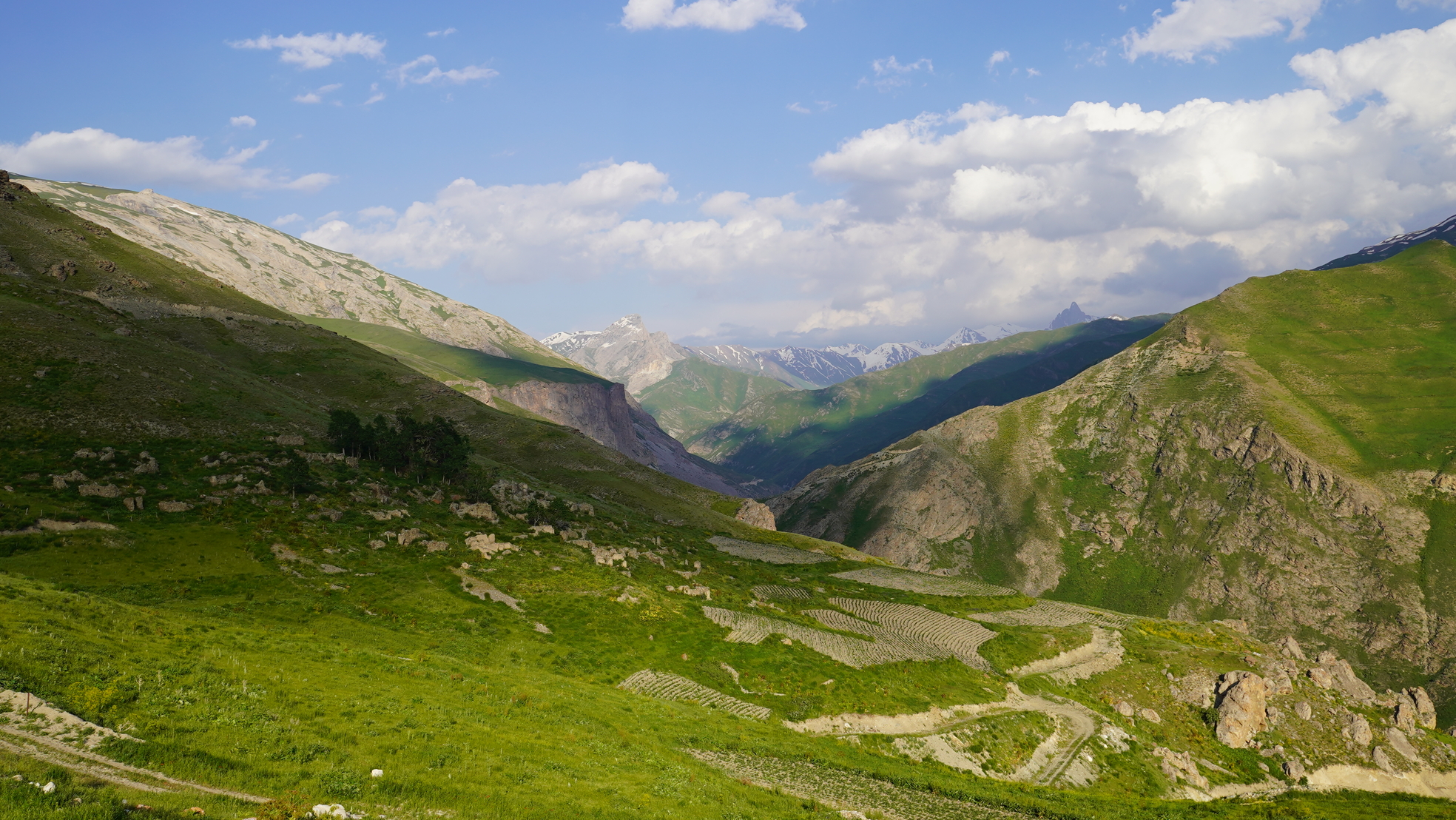

Photo credits © Tajikistan Nature Foundation

