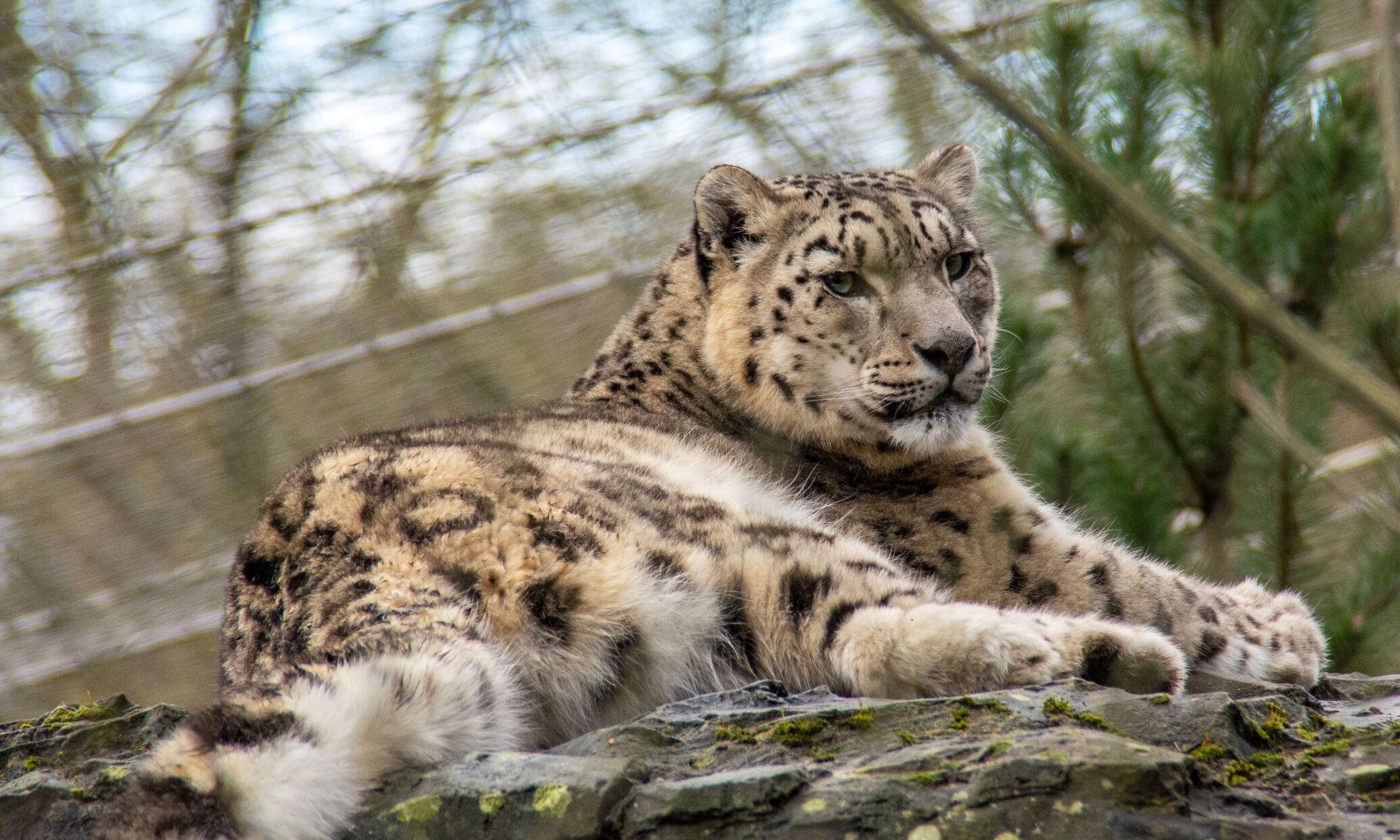
Tajikistan’s mountain landscapes provide vital habitat for the endangered snow leopard and many other wildlife species. Effective conservation, however, depends not only on protecting habitats and reducing human-wildlife conflict, but also on ensuring that injured and sick animals receive appropriate veterinary care. Wildlife health is closely linked to the health of people, livestock, and ecosystems, making strong cooperation between environmental, veterinary, and public health institutions increasingly important.
Until recently, Tajikistan had limited capacity for wildlife diagnostics and rehabilitation, while collaboration between the sectors responsible for preventing zoonotic diseases remained underdeveloped. To address these challenges, the project adopted a One Health approach that combined improved veterinary care for snow leopards and other wildlife with capacity building and stronger institutional cooperation.
Strengthening the Snow Leopard Rehabilitation Center
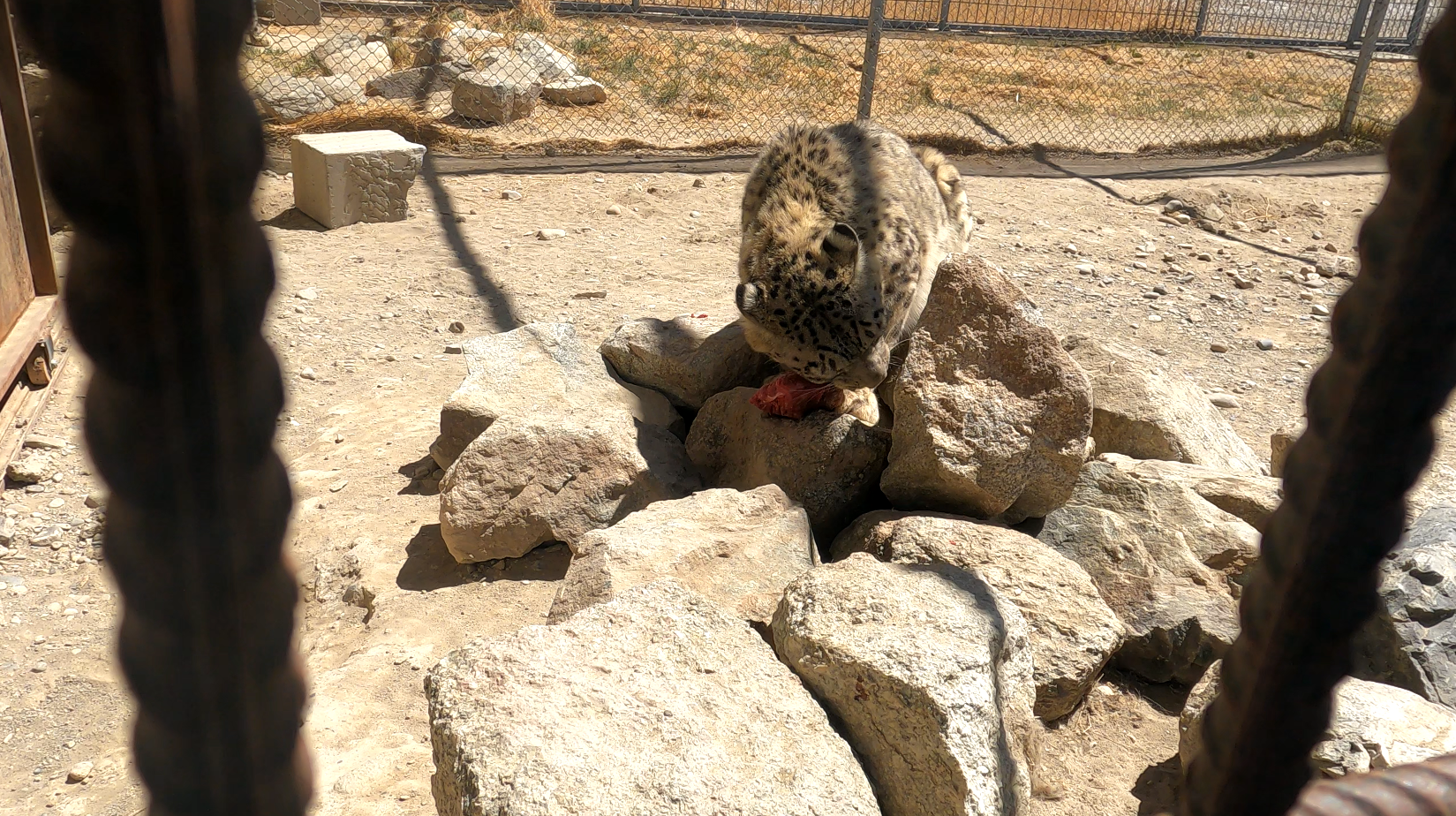
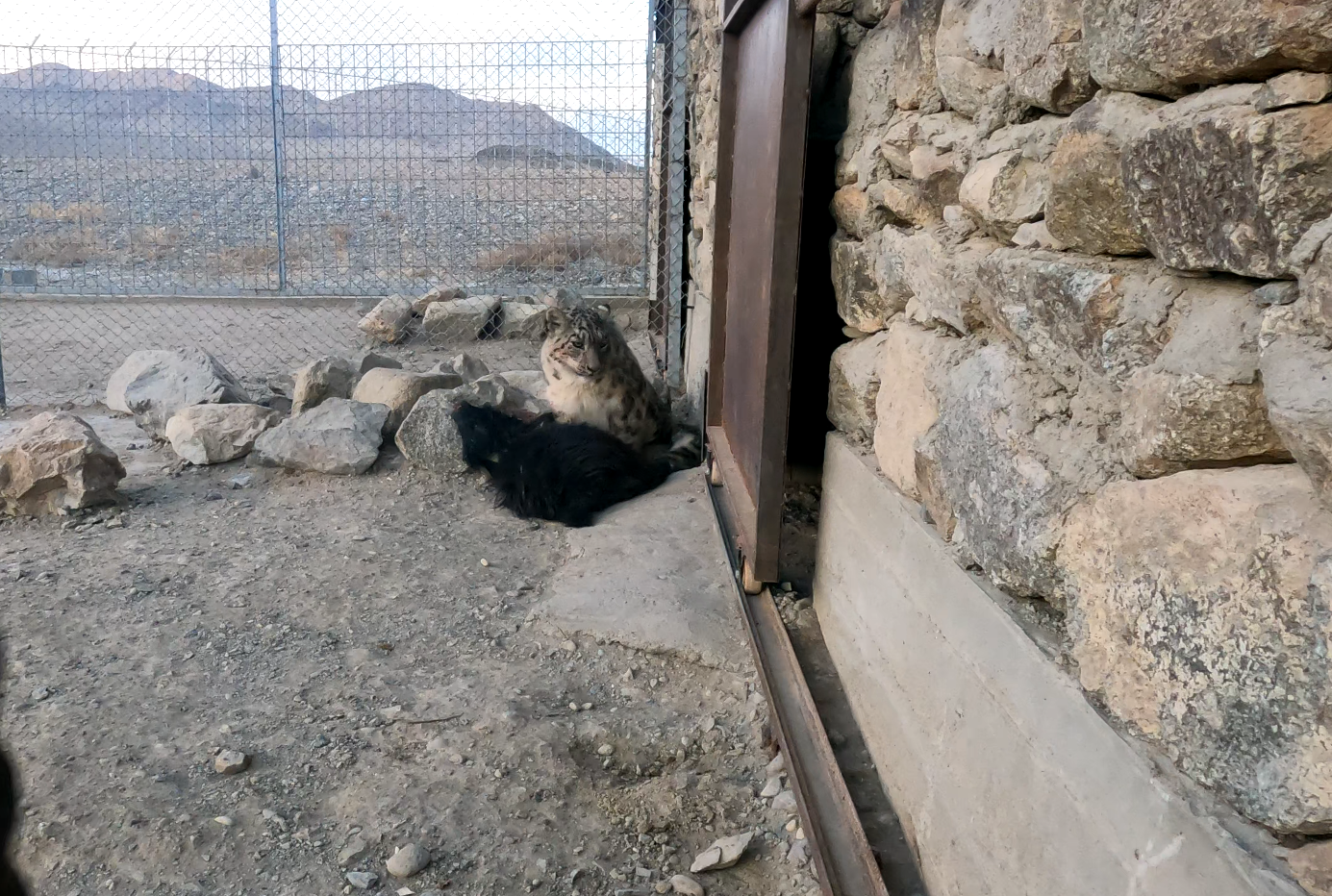
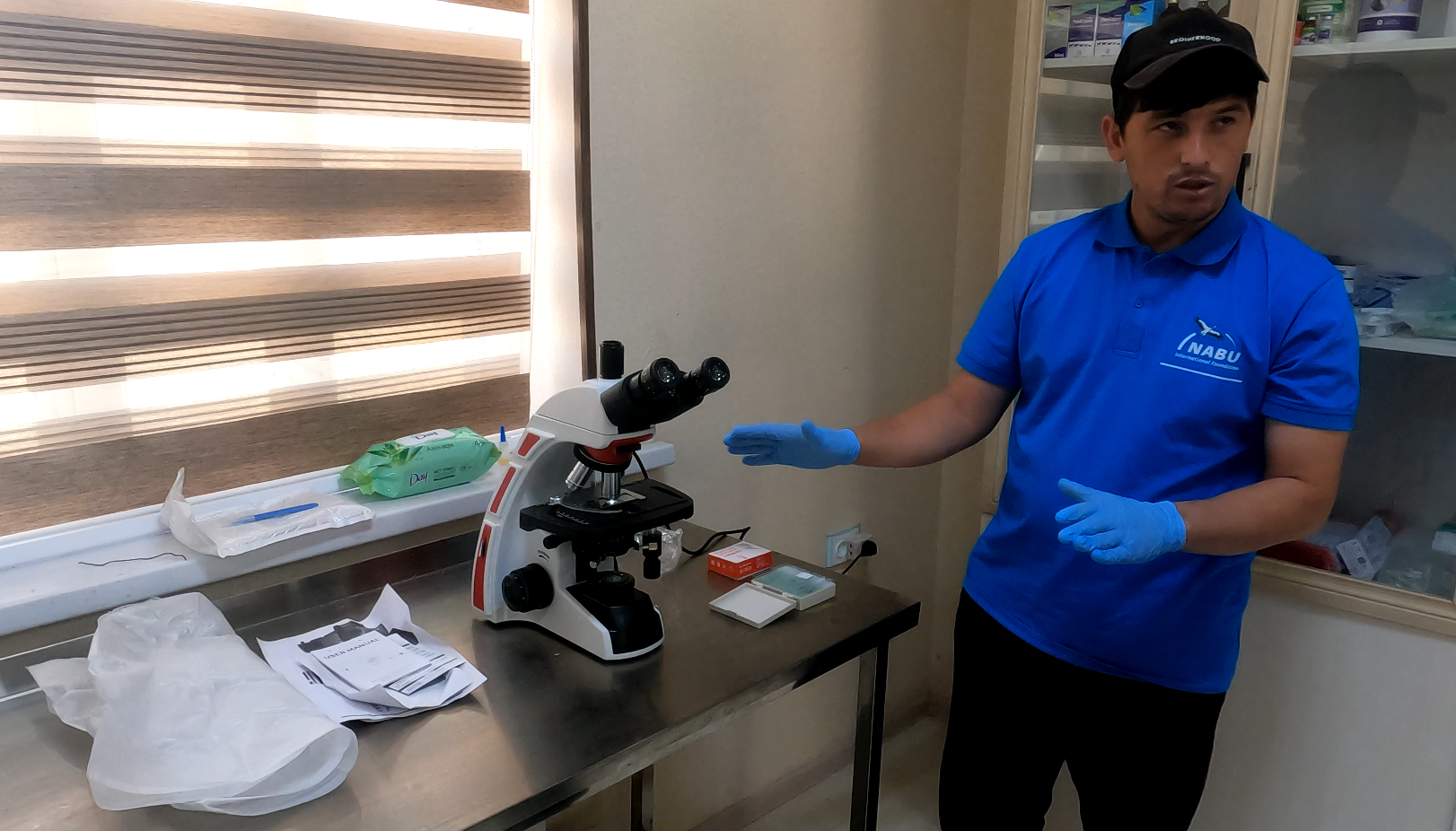
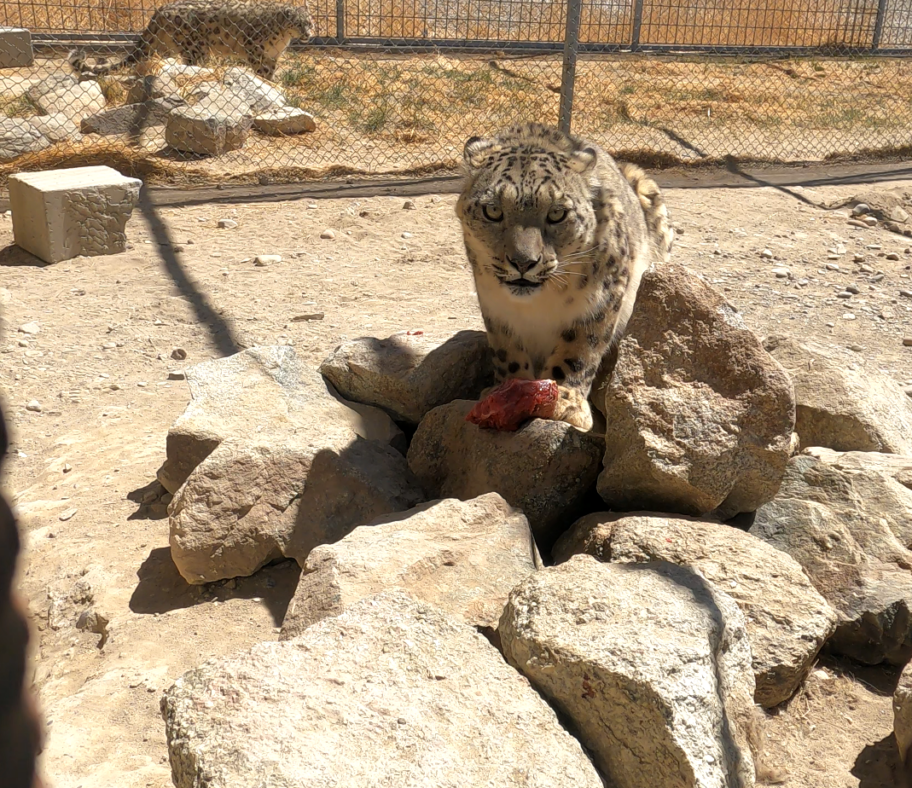
A key focus of the project was the Snow Leopard Rehabilitation Center in Murgab. Staff received practical training in wildlife health management, animal welfare, disease screening, and diagnostic techniques. The center was equipped with new laboratory and veterinary tools, including microscopes, blood-testing equipment, and rapid diagnostic tests. In addition, quarantine procedures and a basic animal health record system were introduced.
Together, these measures significantly enhanced the center’s ability to diagnose health issues and provide targeted treatment and care for snow leopards undergoing rehabilitation.
Building Veterinary Expertise Nationwide
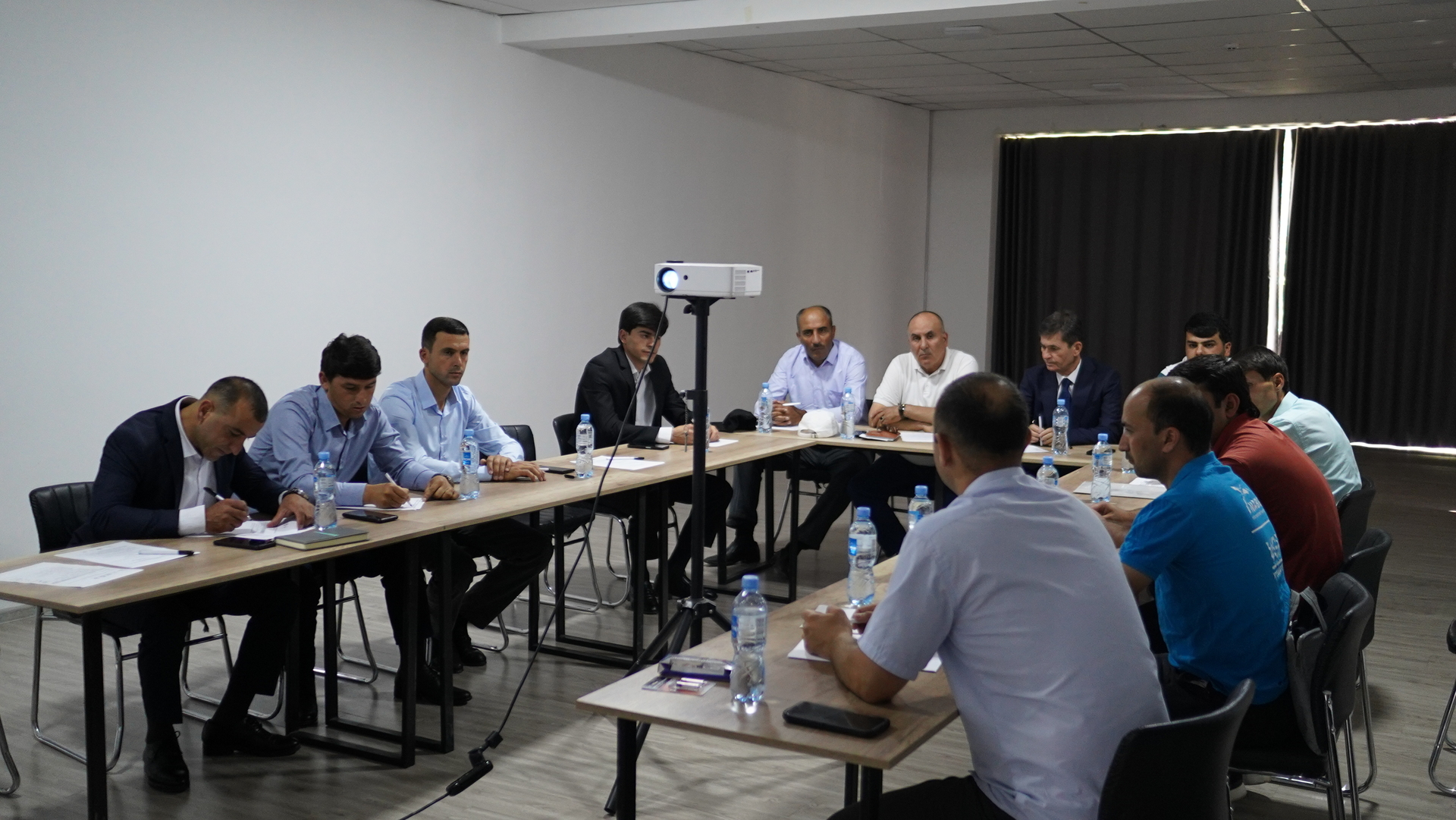
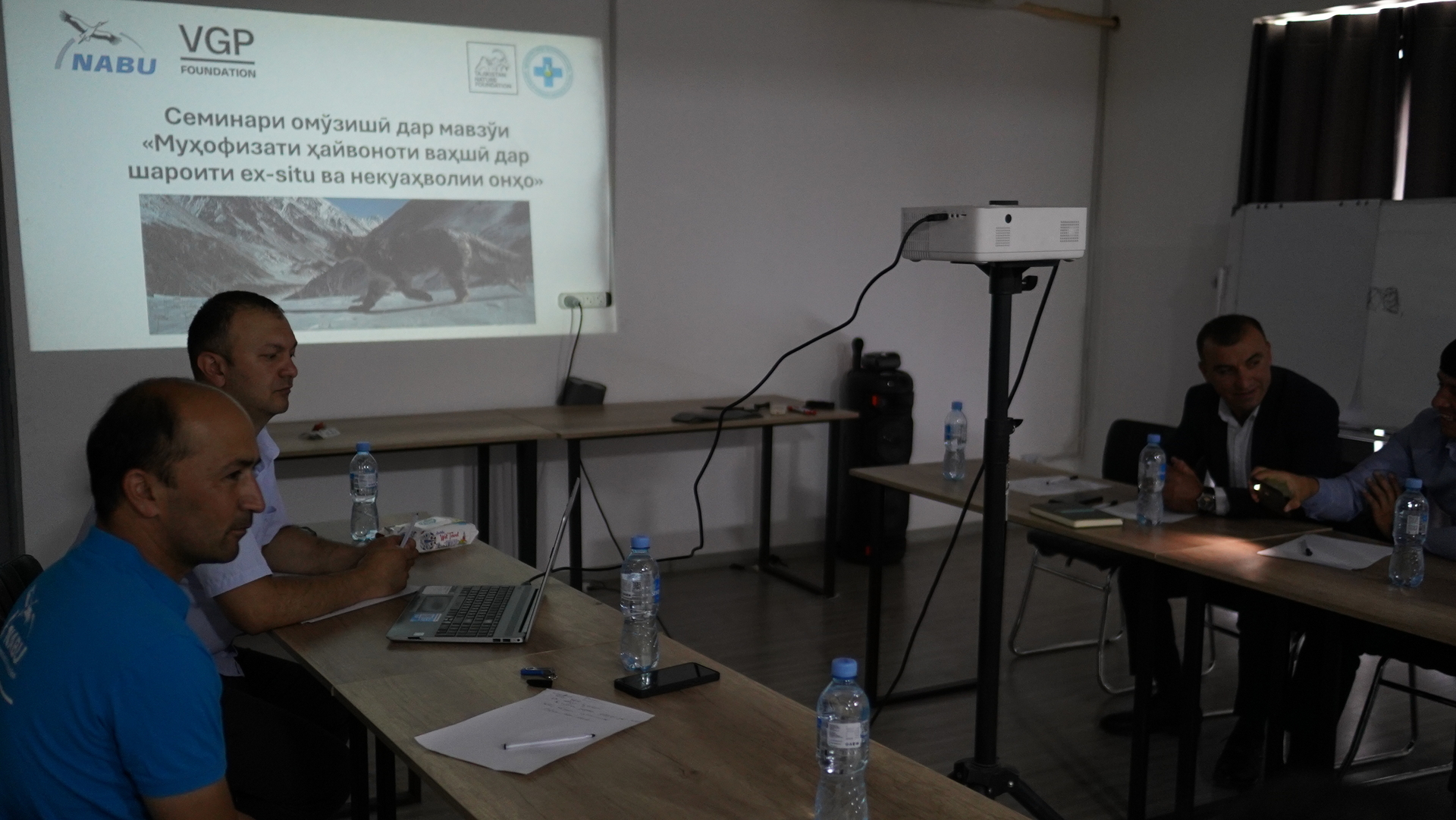
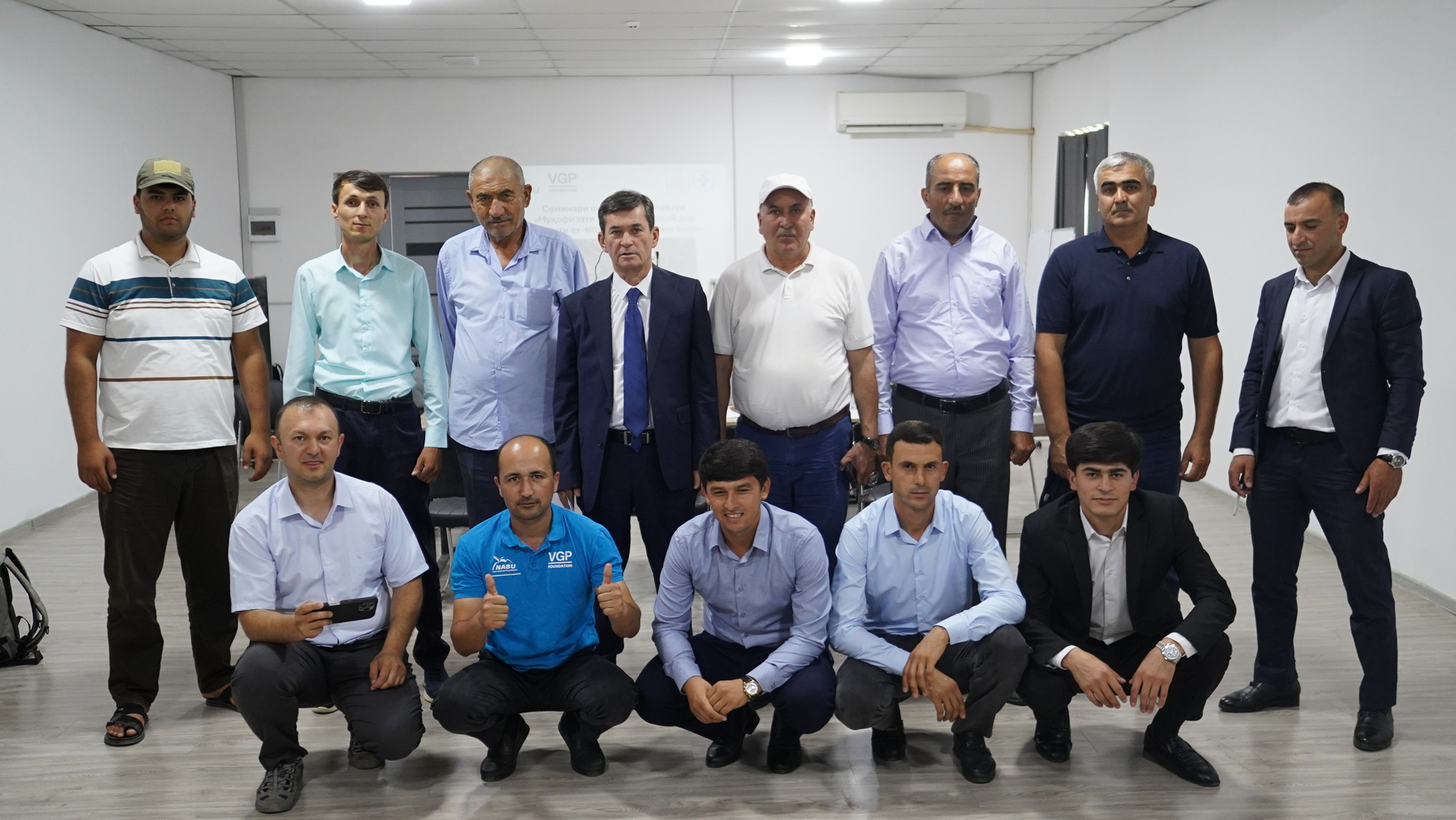
The project also strengthened veterinary expertise across Tajikistan. A nationwide workshop in Dushanbe brought together veterinarians and animal caretakers from a range of wildlife facilities, including the Murgab Snow Leopard Rehabilitation Center, Bactrian Deer Breeding Centers, the Wild Ungulate Breeding Center, the Avian Breeding Center, and Dushanbe Zoo. Participants exchanged knowledge and experiences on animal welfare, rehabilitation practices, and captive wildlife management.
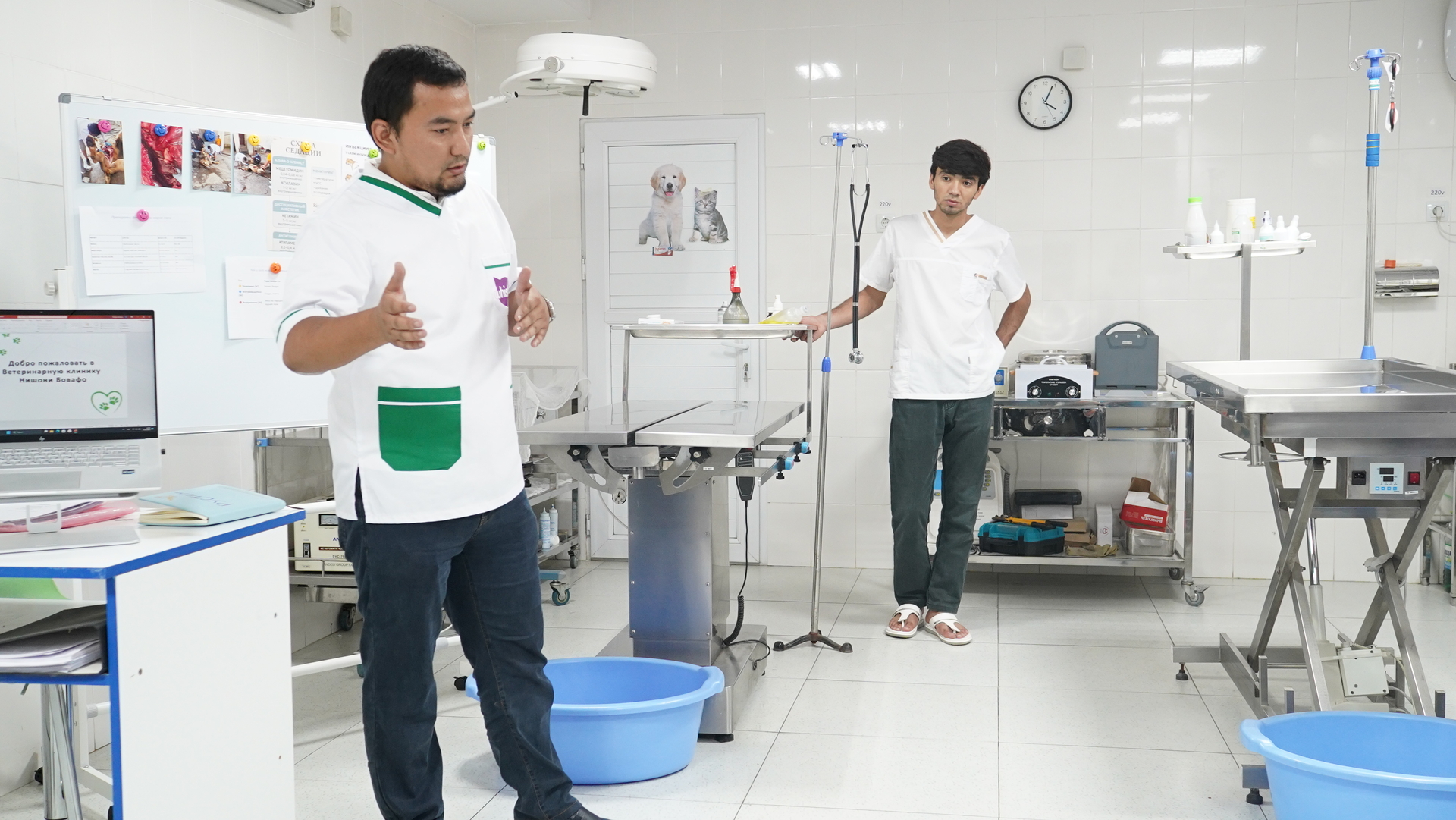
Practical training sessions at the Bovafo Animal Clinic complemented the workshop programme. Participants developed skills in large-mammal immobilization and anaesthesia, monitoring vital signs, safe animal transportation, and the use of specialized veterinary equipment. These activities not only enhanced professional expertise but also fostered stronger connections between wildlife institutions that previously had few opportunities for structured collaboration and knowledge exchange.
Fostering One Health Collaboration
One of the project’s most significant achievements was the establishment of a national One Health expert network. Following an assessment of existing initiatives and consultations with government institutions and other stakeholders, a dedicated One Health workshop brought together specialists from different sectors. The resulting network created a valuable platform for collaboration on wildlife health and zoonotic disease prevention.
The project also facilitated practical cooperation between the Institute of Medicinal Veterinary and the Committee for Environmental Protection. This partnership enabled samples collected from captive snow leopards and other wildlife species to benefit from the Institute’s diagnostic capabilities. Furthermore, strengthened links between wildlife centres and the Bovafo Animal Clinic improved access to veterinary expertise and professional support throughout the country.
Long-Term Impact
By connecting snow leopard conservation with veterinary capacity building and cross-sector collaboration, the project has laid a strong foundation for improved wildlife health management in Tajikistan. The expertise, diagnostic capacity, and professional networks established through the project will continue to benefit not only snow leopards undergoing rehabilitation, but also a wide range of wildlife species and conservation institutions across the country